
Sensory Interiors brings sensory-informed interior design to homes, clinics, schools, and wellness spaces nationwide.
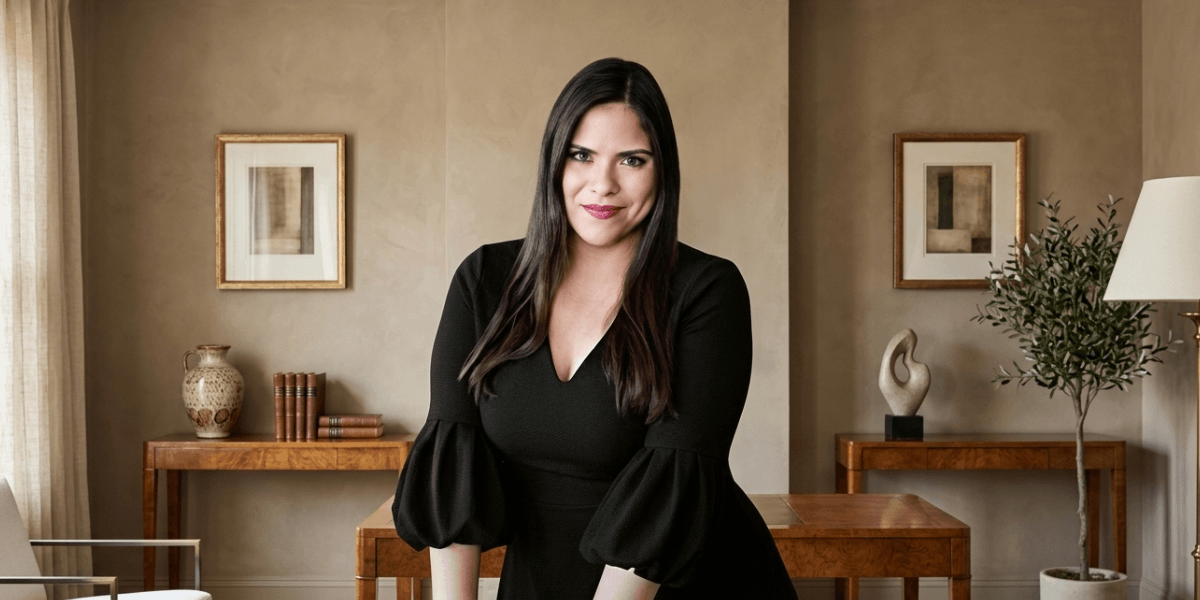
The moment Lily Riefkohl understood the true power of a room, it was not in a luxury residence or a polished showroom. It was in a therapeutic setting, where color, sound, lighting, and layout were quietly shaping how children moved, focused, rested, and responded. The space was doing more than holding furniture. It was affecting nervous systems. That insight became the foundation for Sensory Interiors, a South Florida design studio devoted to sensory-informed interior design for neurodivergent individuals, families, clinics, schools, wellness spaces, and organizations nationwide.
For Riefkohl, Founder and Principal Designer of Sensory Interiors, design has never been only about appearance. With a Bachelor's degree in Environmental Design, a Master in Architecture, and a Master in Interior Design, she entered the profession with a deep respect for form and function. Yet her work over more than a decade revealed a wider truth: environments can soothe or overwhelm. They can invite participation or create resistance. They can help families feel grounded, or they can turn daily routines into constant negotiation.
Sensory-Informed Interior Design With Purpose
Sensory Interiors grew from Riefkohl's personal and professional understanding of how the built environment affects emotion, behavior, and well-being. Her own experience with ADHD gave her a lived sense of how surroundings can sharpen focus or scatter it. Her early career in high-end residential design gave her technical discipline. Her later transition into therapeutic environments gave her a mission.
That mission became clear through collaboration. Riefkohl has designed more than thirty-five ABA therapy clinics across the United States, working with Clinical Directors, BCBAs, RBTs, therapists, caregivers, and families to better understand the needs of the autism community. She learned that the most helpful design decisions are often not the loudest ones. They are the ones that reduce friction. Softer lighting. Better acoustics. Clearer pathways. Calmer colors. Retreat areas that offer relief without isolation.
"Spaces should support the people inside them," Riefkohl says. "They should help children thrive, help families feel grounded, help clinicians work more effectively, and help every individual feel understood by the world around them."
That belief places Sensory Interiors in a distinct category. Many firms can create beautiful rooms. Fewer specialize in sensory-informed interior design, where the goal is to shape an environment around real human needs. This work requires empathy, restraint, and close listening. It also requires a careful balance between design psychology, practical use, durability, safety, and the ways different individuals may experience the same space.
From Beautiful Rooms To Supportive Environments
The need for this approach is growing. The Centers for Disease Control and Prevention has reported that autism diagnoses affect approximately 1 in 36 children in the United States, based on 2020 data. Behind that number are families navigating homes, classrooms, medical offices, clinics, and public spaces that were often designed without sensory needs in mind. For some, harsh lighting, echoing rooms, crowded layouts, or overstimulating colors can make ordinary routines more difficult.
Sensory Interiors does not present design as a cure or a clinical intervention. Instead, it treats space as part of the support system. A well-planned environment may reduce unnecessary stressors, improve comfort, and make it easier for people to participate in daily life. For families, that can mean a bedroom designed for calmer evenings, a play area with clearer boundaries, or a retreat space that gives a child a place to reset while remaining connected to the home.
One parent described the impact this way: "Working with Lily was a game-changer for our family. She provided us with a comprehensive plan for our home, guiding us on what to keep, what to eliminate, and what to purchase. The sensory design techniques she implemented have truly helped our child thrive at home. When our child feels overwhelmed, there's now a retreat space that allows for comfort without complete isolation. The bedroom design has significantly improved our child's sleep patterns. We are incredibly grateful for Lily's expertise!"
In therapeutic and educational settings, the same principles can help teams create spaces that feel organized, calm, and easier to navigate. Riefkohl looks at lighting, sound, color, furniture, storage, circulation, tactile materials, and safety considerations as interconnected parts of the user experience. A clinic may need durable fabrics and clear visual organization. A school may need a quiet area away from active zones. A family home may need practical guidance that respects budget, routines, and existing architecture.
Sensory-Informed Interior Design Beyond The Clinic
What makes Sensory Interiors especially relevant today is its ability to bring clinical insight into everyday spaces without making them feel institutional. The studio serves Fort Lauderdale, Miami, Boca Raton, and West Palm Beach, while also offering virtual services across the United States. Its clients include families, ABA clinics, therapy centers, medical offices, schools, wellness spaces, offices, hospitality environments, retail settings, and other public-facing spaces that want to become more inclusive and comfortable.
This broader reach matters because sensory needs do not stop at the clinic door. A child who benefits from a calmer therapy room still returns to a bedroom, kitchen, classroom, waiting room, store, or airport. A parent seeking relief from constant sensory battles often needs practical solutions at home, not abstract design theory. A clinician may need a workspace that helps staff and clients feel supported through long days. Sensory-informed interior design offers a framework for all of these environments.
Riefkohl's work is also rooted in collaboration. Rather than arrive with a fixed aesthetic, Sensory Interiors listens first. Families explain routines. Therapists describe barriers. Educators share patterns they observe throughout the day. Caregivers name what feels hard. From there, the studio builds design recommendations that respect the people who will use the space. The result is not a one-size-fits-all sensory room. It is a thoughtful plan shaped by real life.
Sensory Interiors is extending that mission through community education and partnerships. The studio is currently collaborating with an ABA clinic to help educate the community about sensory design and is seeking additional organizations that want to share practical insight with families, professionals, and local networks. It also offers personalized sensory design consultations for families and professionals, along with partnership rates for clinics and providers who want to make support more accessible to the families they serve.
The studio's Community Support Program adds another layer to that commitment. Four times a year, Sensory Interiors selects one family with limited resources and a child on the autism spectrum to receive a complimentary three-room consultation. The program reflects Riefkohl's belief that supportive environments should not be reserved only for those who already know where to begin.
At its core, Sensory Interiors is asking the design world to consider a deeper measure of success. Does the space help people feel safe? Does it reduce unnecessary overwhelm? Does it support regulation, focus, rest, movement, and dignity? Does it make daily life easier for the people who inhabit it?
For families, clinicians, educators, and organizations ready to rethink the role of environment, Sensory Interiors welcomes inquiries about personalized consultations, sensory home and therapeutic space services, and community partnerships. The next room you design can do more than look finished. It can feel supportive, intentional, and built for the people who need it most.
Explore More About Sensory Interiors
Connect with Sensory Interiors, Lily Riefkohl On LinkedIn, Sensory Interiors On LinkedIn, Instagram, and Facebook.

Top Listings Contributor
Covers market analysis and property technology, tracking where the data and the tools are pushing the industry next.
This article features partner, contributor, or branded content from a third party. Members of the Top Listings editorial staff were not involved in the creation of this content. All views and opinions are those of the contributor alone.


Related Posts