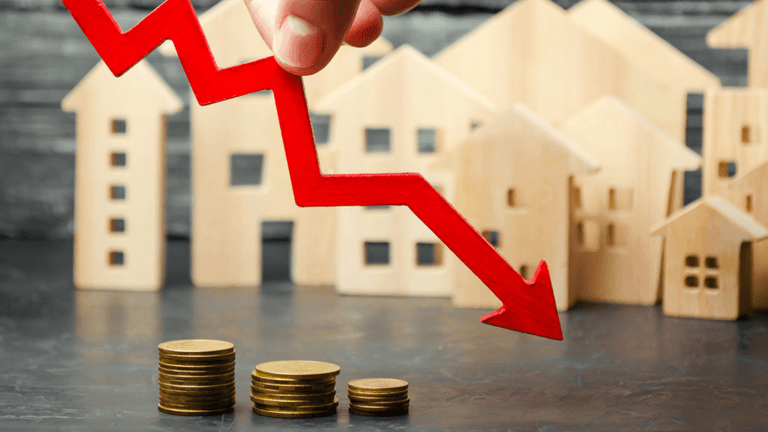


The average 30-year fixed mortgage rate falls to 7.18%, but subdued pending sales and elevated borrowing costs continue to challenge the housing market.
The average U.S. 30-year fixed mortgage rate declined for a third consecutive week, reaching 7.18% as of November 5, according to figures reported by Freddie Mac. The latest decrease offers some relief to prospective homebuyers after borrowing costs climbed above 7.5% in recent weeks. However, the improvement has not yet translated into a strong recovery in buyer activity, with housing-market indicators continuing to show caution among consumers.
The decline comes at a time when available housing inventory has been increasing in parts of the country, while pending sales have remained weak. For real estate professionals, the combination presents a mixed market: buyers may have more properties to consider, but affordability challenges and uncertainty surrounding the economy continue to influence purchasing decisions.
Mortgage Rates Record Another Weekly Decline
The 30-year fixed mortgage average fell to 7.18%, down from 7.24% the previous week. The 15-year fixed mortgage rate also declined, reaching 6.57% from 6.60%.
The latest figures represent the third consecutive weekly reduction in the average 30-year rate. While the direction is encouraging for buyers, borrowing costs remain considerably higher than they were during the same period a year earlier. At that time, the 30-year fixed rate averaged 6.22%, while the 15-year rate stood at 5.50%.
Mortgage rates influence the amount households can borrow and the monthly payments required to finance a home. Even a relatively small change can affect affordability, particularly for buyers operating within a fixed budget. A lower rate can reduce the monthly cost of a mortgage, but the current level remains a substantial expense for households comparing homeownership with renting.
The recent decline also follows a period of market volatility linked to inflation concerns, energy prices, and changes in Treasury yields. Mortgage rates generally respond to movements in the bond market and expectations about future economic conditions, rather than moving directly with the Federal Reserve's policy rate.
Lower Rates Have Not Yet Produced Stronger Buyer Activity
Although borrowing costs have eased, housing demand remains subdued. Pending sales have slowed, with Redfin reporting levels that represent the weakest readings in its five-year records. This suggests that the decline in mortgage rates has not yet been sufficient to generate a significant increase in purchase contracts.
Several factors may explain the cautious response. Home prices remain high in many markets, and buyers must consider property taxes, insurance, maintenance, and other ownership expenses in addition to mortgage payments. For households facing uncertain employment or income conditions, delaying a major financial commitment may appear more practical than purchasing immediately.
The housing market also includes buyers who may be waiting for further rate reductions. Some prospective purchasers may believe that borrowing conditions could improve, while others remain concerned that lower rates could be offset by higher home prices if competition increases.
Inventory Trends Create a Different Market Environment
Housing inventory has continued to rise, an unusual development for a period when listings typically become less active toward the end of the year. A larger selection of properties can give buyers more opportunities to compare locations, prices, and property conditions.
For sellers, however, increased inventory can create stronger competition. Homes may take longer to attract offers when prospective purchasers have more alternatives. Sellers who need to complete a transaction may have to reassess asking prices, improve property presentation, or consider concessions to attract qualified buyers.
Real estate agents must therefore evaluate local conditions rather than relying solely on national mortgage-rate averages. Markets with limited supply may continue experiencing competition, while areas with more available properties may give buyers greater negotiating power.
Employment Data Could Influence Mortgage Conditions
The anticipated release of new U.S. employment information on November 6 added another source of uncertainty for financial markets. Labor-market figures can influence expectations about inflation, economic growth, and future monetary policy.
Stronger employment data may indicate that households and businesses remain financially resilient. However, it could also contribute to expectations that inflationary pressure will persist, potentially limiting the decline in longer-term interest rates. Conversely, weaker employment conditions could raise concerns about economic growth and household purchasing power.
Mortgage lenders, homebuyers, and real estate businesses will be watching these developments because changes in Treasury yields can influence mortgage pricing. The direction of rates will depend on how investors interpret economic information and adjust their expectations.
Implications for Real Estate Professionals
For agents and brokers, the current market requires careful communication with buyers and sellers. A declining mortgage rate can provide an opportunity to revisit affordability calculations, but it does not automatically mean that a property is within a household's budget.
Buyers need to evaluate the complete cost of ownership, including financing, insurance, taxes, and maintenance. Sellers, meanwhile, must consider how competing listings and buyer affordability influence the price that a property can realistically command.
Lenders and mortgage professionals also play an important role in helping consumers understand available loan structures and the implications of changing interest rates. Buyers comparing financing options should consider the total cost over the life of a loan rather than focusing exclusively on the advertised rate.
A Market Still Waiting for Momentum
The latest decline in mortgage rates provides a modest improvement in financing conditions, but the housing market has yet to show a corresponding acceleration in buyer activity. Inventory growth, subdued pending sales, and borrowing costs that remain above year-earlier levels continue to shape market conditions.
For the real estate industry, the next phase will depend on whether lower rates can improve affordability enough to bring more buyers into the market. Until then, agents, lenders, and property sellers are likely to operate in an environment where pricing discipline and realistic expectations remain important.

Top Listings Contributor
Covers market analysis and property technology, tracking where the data and the tools are pushing the industry next.
This article features partner, contributor, or branded content from a third party. Members of the Top Listings editorial staff were not involved in the creation of this content. All views and opinions are those of the contributor alone.


Related Posts