

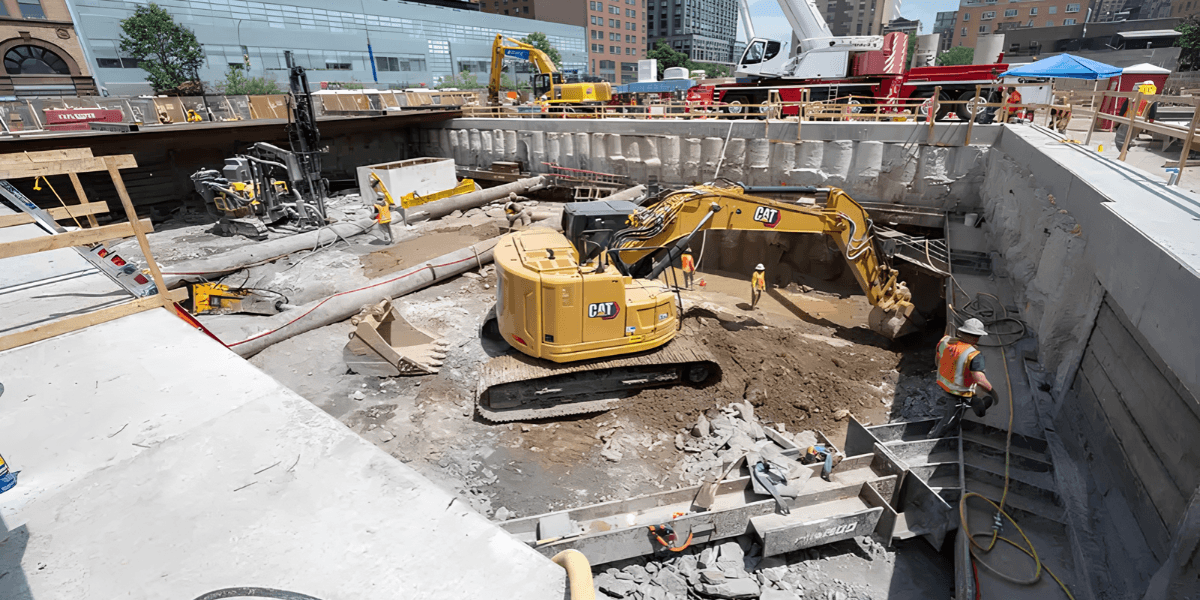
The MTA begins environmental review for a proposed Second Avenue Subway extension beneath Harlem, assessing community and property impacts.
A New Stage for the Subway Project
The MTA announced the start of environmental review for the proposed extension of the Q train beneath 125th Street toward Broadway. The initiative would extend the Second Avenue Subway westward through Central Harlem, building on work already underway for the line’s earlier phases.
The agency released a draft scoping document outlining the studies it intends to undertake to evaluate the project's potential effects. The review process also opened opportunities for residents and other stakeholders to comment on the scope of the environmental assessment.
The proposal remains subject to planning and review. Beginning an environmental review does not constitute final approval of every design detail, nor does it guarantee a construction schedule or completion date.
Why Environmental Review Matters
Major transportation projects can affect neighborhoods in several ways, including construction activity, traffic, noise, pedestrian access and the use of public space. Environmental review provides a structured process for identifying those effects and evaluating potential alternatives or mitigation measures.
For a proposed subway extension, the process can examine construction methods, station access, changes in transportation patterns and effects on nearby properties. The results can help agencies understand how a project may interact with existing buildings, streets and community facilities.
The scoping stage is particularly important because it establishes the subjects that will receive detailed study. Residents, businesses and community organizations can identify local concerns that may require further examination.
The public-comment process therefore provides an opportunity to raise issues before the environmental review advances to later stages.
Potential Implications for Property Markets
Transportation access is one factor that influences how residential and commercial properties function within a city. Subway stations can improve connectivity for people traveling to work, education, shopping and other destinations.
A proposed station or extension may prompt property owners, developers and local businesses to consider how future access could affect neighborhood activity. However, the effect on property values and rents cannot be determined solely from the announcement of a proposed project.
Actual outcomes depend on factors including the final alignment, station locations, construction timelines, broader market conditions and the availability of other transportation options.
The environmental review does not establish that nearby property values will rise or that every business will benefit. It provides information that can help communities understand the project's potential effects and make informed decisions as planning proceeds.
Construction and Community Considerations
Subway construction can create temporary disruptions even when the completed system is expected to improve transportation access. Worksites may affect traffic circulation, sidewalks, deliveries, parking and access to nearby buildings.
For businesses, these disruptions can influence customer access and operating arrangements. Residents may face changes in travel routes or increased construction activity near their homes.
A detailed environmental assessment can help identify where such effects may occur and what measures could reduce them. The effectiveness of those measures depends on the final design and the conditions encountered during construction.
Property owners and tenants can use the review process to seek clarification about proposed work areas, access arrangements and the timing of potential disruptions.
Public Participation in Planning
The MTA's scoping process gives members of the public an opportunity to comment on which issues should be examined. This stage is distinct from a final decision to proceed with construction.
Public participation can help identify concerns that may not be apparent from regional transportation models alone. Residents and business operators may provide information about pedestrian activity, local deliveries, community facilities or other conditions that require attention.
The review process also helps establish a documented basis for later planning decisions. Its value depends on the quality of the analysis, the treatment of public comments and the clarity of the information made available.
What Happens Next
The environmental review will assess the proposed extension's potential effects before the project advances through subsequent planning and approval stages.
For property stakeholders, the immediate priority is understanding what the proposal includes, where further studies will occur and how to participate in the review process. The long-term implications for housing, commercial property and neighborhood activity will depend on the project's eventual design and implementation.
The MTA's announcement marks a planning milestone rather than a completed transportation improvement. Its significance lies in moving the proposed extension into a formal process for examining its effects on Harlem and the surrounding urban environment.

Top Listings Contributor
Covers commercial property and housing policy, following the regulation and capital that move the market.
This article features partner, contributor, or branded content from a third party. Members of the Top Listings editorial staff were not involved in the creation of this content. All views and opinions are those of the contributor alone.

Related Posts