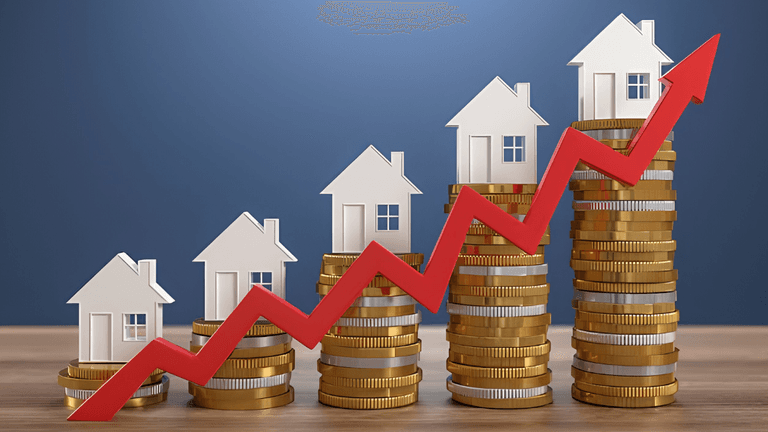


The Federal Reserve’s rate decision has renewed attention on mortgage costs, financing conditions, and housing affordability.
The Federal Reserve’s decision to raise its benchmark interest rate on September 16 placed renewed attention on the financial conditions affecting the U.S. housing market. The increase, which brought the policy rate to approximately 3.9%, may influence mortgage pricing, construction financing, homebuyer affordability, and the broader balance between housing demand and borrowing costs.
The central bank cited persistent inflation and continued economic strength as reasons for the decision. Although mortgage rates are determined by several factors beyond the Federal Reserve’s benchmark rate, changes in monetary policy can influence bond yields and lending conditions that affect residential real estate.
For buyers, sellers, builders, and real estate professionals, the decision creates another factor to consider as the market enters the final part of the year.
Mortgage Costs Remain a Key Concern
Mortgage affordability depends on the relationship between home prices, household income, down payments, property taxes, insurance, and interest rates. When borrowing costs rise, a buyer’s monthly payment can increase even if the purchase price remains unchanged.
Higher rates may lead some prospective buyers to reduce their budgets, delay purchases, or consider smaller properties. Other buyers may continue moving forward because of employment changes, family needs, relocation, or limited housing supply.
The impact may vary by region. Markets with high home prices can experience stronger payment sensitivity, while areas with lower prices may offer buyers more flexibility. Local inventory, wage levels, and property taxes also influence how rate changes affect demand.
Builders Face Financing Pressure
Residential developers and homebuilders may also feel the effects of tighter financial conditions. Construction projects often require significant financing before a property generates revenue. Higher borrowing costs can increase project expenses and affect decisions about land acquisition, construction schedules, and new development.
Builders may respond by adjusting the size or design of projects, offering incentives, or prioritizing communities where demand remains strong. Some companies may also review the pace of new construction while waiting for clearer signals from buyers and lenders.
The effect on housing supply is important because limited inventory can keep prices elevated even when higher mortgage rates reduce purchasing power.
Buyers May Gain Negotiating Opportunities
A higher-rate environment can change the balance between buyers and sellers. If some buyers postpone purchases, sellers may face a smaller pool of active prospects. That can create opportunities for negotiation involving price, closing costs, repairs, or financing incentives.
However, the result is not uniform across the country. Properties in desirable locations with limited inventory may continue to attract competition. Homes that are overpriced, poorly maintained, or located in slower markets may experience longer listing periods.
Real estate agents are expected to play an important role in helping clients understand the relationship between financing costs and local market conditions. Buyers may need to compare different loan structures, while sellers may need to evaluate pricing more carefully.
Commercial Real Estate Also Affected
The policy decision extends beyond residential property. Commercial real estate investors rely on financing for office buildings, retail centers, industrial facilities, and multifamily developments.
Higher interest rates can increase acquisition costs and affect the valuation of income-producing properties. Investors may also face greater difficulty refinancing existing loans when debt matures.
At the same time, some investors may continue pursuing opportunities in sectors supported by long-term demand, including logistics, industrial space, and selected residential rental properties.
Housing Market Outlook Remains Mixed
The Federal Reserve’s rate increase does not determine the direction of every local housing market. Regional employment, inventory, migration, construction activity, and household income will continue to shape real estate conditions.
Still, the decision reinforces the importance of financing strategy in real estate planning. Buyers and investors may need to account for higher borrowing costs, while sellers and agents may need to adjust expectations based on local demand.
As policymakers evaluate inflation and economic growth, the housing industry will continue watching for signals that could affect mortgage rates, construction activity, and buyer confidence.

Top Listings Contributor
Covers commercial property and housing policy, following the regulation and capital that move the market.
This article features partner, contributor, or branded content from a third party. Members of the Top Listings editorial staff were not involved in the creation of this content. All views and opinions are those of the contributor alone.


Related Posts