
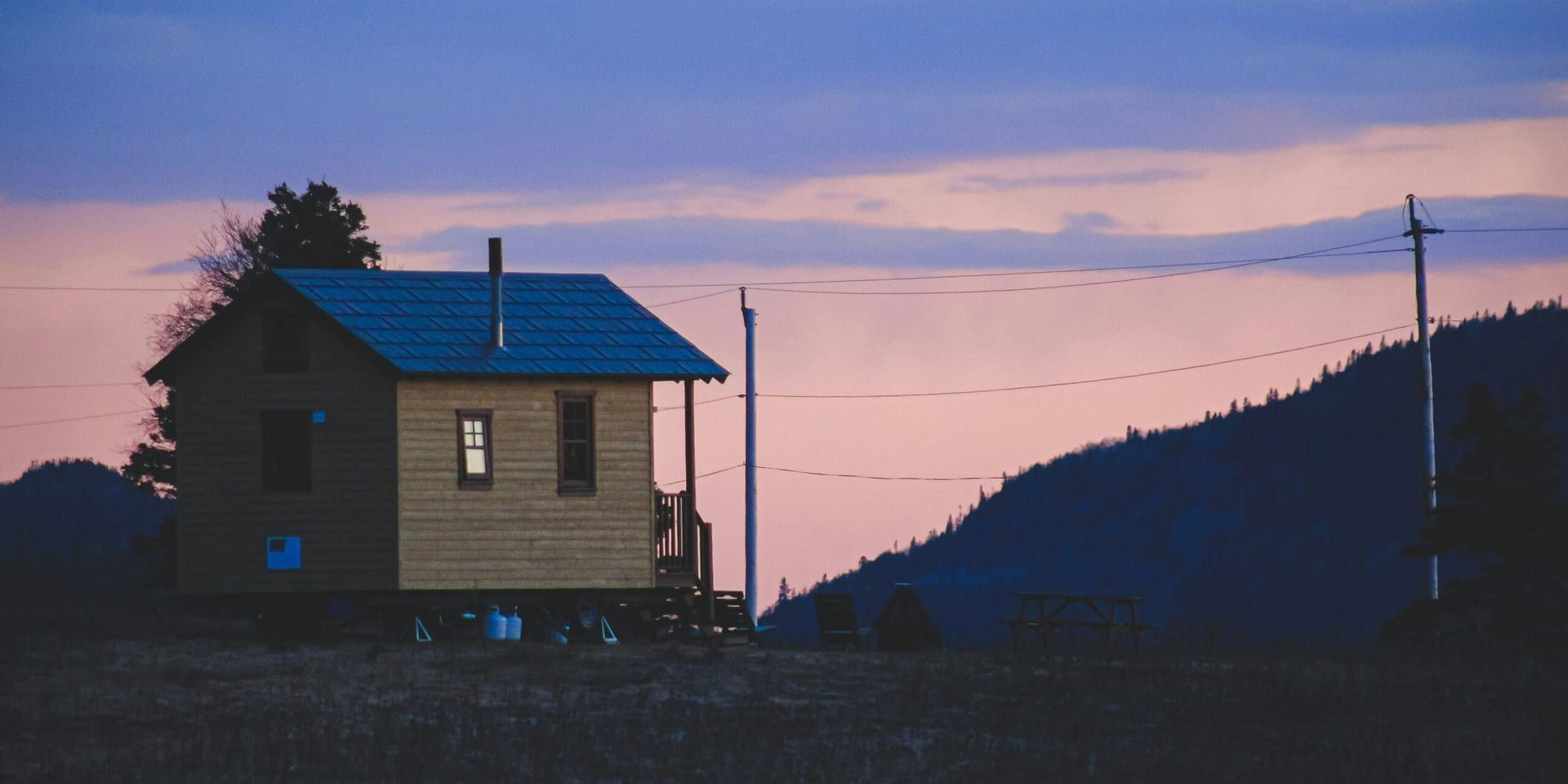
Off-grid living is rapidly gaining popularity as a significant trend in the real estate market, driven by an increasing desire for self-sufficiency and a simpler, more sustainable lifestyle. Once mainly embraced by niche groups such as environmentalists, preppers, and survivalists, the concept of living off the grid has broadened its appeal since the COVID-19 pandemic. In particular, it has attracted remote workers, young families, and others looking for more space and a greater sense of sustainability outside crowded urban environments.
Theresa Lunn, a broker with expertise in rural real estate, has observed a marked rise in interest for rural properties, particularly in places like Montana. Many of her clients are drawn to homesteading, a practice that involves growing one’s own food, generating renewable energy, and reducing waste. This trend reflects a growing desire to embrace a simpler, more independent way of living. A 2024 report from Fannie Mae reveals that rural mortgage applications have surged by 80% since 2020, reflecting this shift in lifestyle preferences. Despite a notable rise in rural property prices—up 64% from 2019 compared to a 42% increase in metro areas—rural homes continue to offer more affordable options than urban properties, which makes them an appealing alternative for many buyers.
Read Also: https://toplistings.com/off-grid-living-surges-rural-mortgage-applications-soar-across-america/
Several factors are driving this transition to rural living. The increasing availability of high-speed internet has made remote work more feasible, allowing people to live in more remote areas without sacrificing their careers. Additionally, rising interest rates have made it more financially appealing for many to move to less expensive rural properties, where they can afford larger homes and more land. These elements have combined to create an ideal environment for people seeking more space and autonomy in their daily lives.
However, rural living is not without its challenges, and the experiences of those making the transition vary widely. While some people are content with partial self-sufficiency—living near a town but relying on their own energy sources and growing their own food—others are attempting full off-grid setups, where they live entirely without connections to traditional power grids or municipal water systems. This can be physically and mentally demanding, as it requires significant effort and adaptation to an entirely different way of life.
Lunn cautions potential off-grid enthusiasts to approach the transition gradually, as many buyers underestimate the challenges that come with rural isolation and harsh weather conditions. For example, some individuals and families moving to remote areas may find themselves struggling with isolation, limited access to medical services, or the difficulties of adapting to extreme climates. Yet for others, the lifestyle offers profound satisfaction. A family from Chicago who recently bought a ranch in Montana, for instance, found great joy and fulfillment in their new rural life, thriving in a setting that emphasizes independence and sustainability.
The rise of off-grid living represents a significant shift in how people view homeownership and lifestyle choices. It suggests that many are willing to forgo the conveniences of urban life in exchange for a deeper connection to nature and a greater degree of personal freedom. As more people seek to embrace this way of living, the demand for rural properties will likely continue to rise, reshaping the landscape of real estate in the U.S. and driving further changes in how homes are bought and sold. For many, the appeal of off-grid living is not just about escaping the pressures of city life; it’s about finding a deeper sense of fulfillment through greater self-sufficiency, sustainability, and connection to the land.

Top Listings Contributor
Covers homeownership and the agent's craft, from what buyers walk into to how the deal actually gets done.
This article features partner, contributor, or branded content from a third party. Members of the Top Listings editorial staff were not involved in the creation of this content. All views and opinions are those of the contributor alone.

Related Posts