

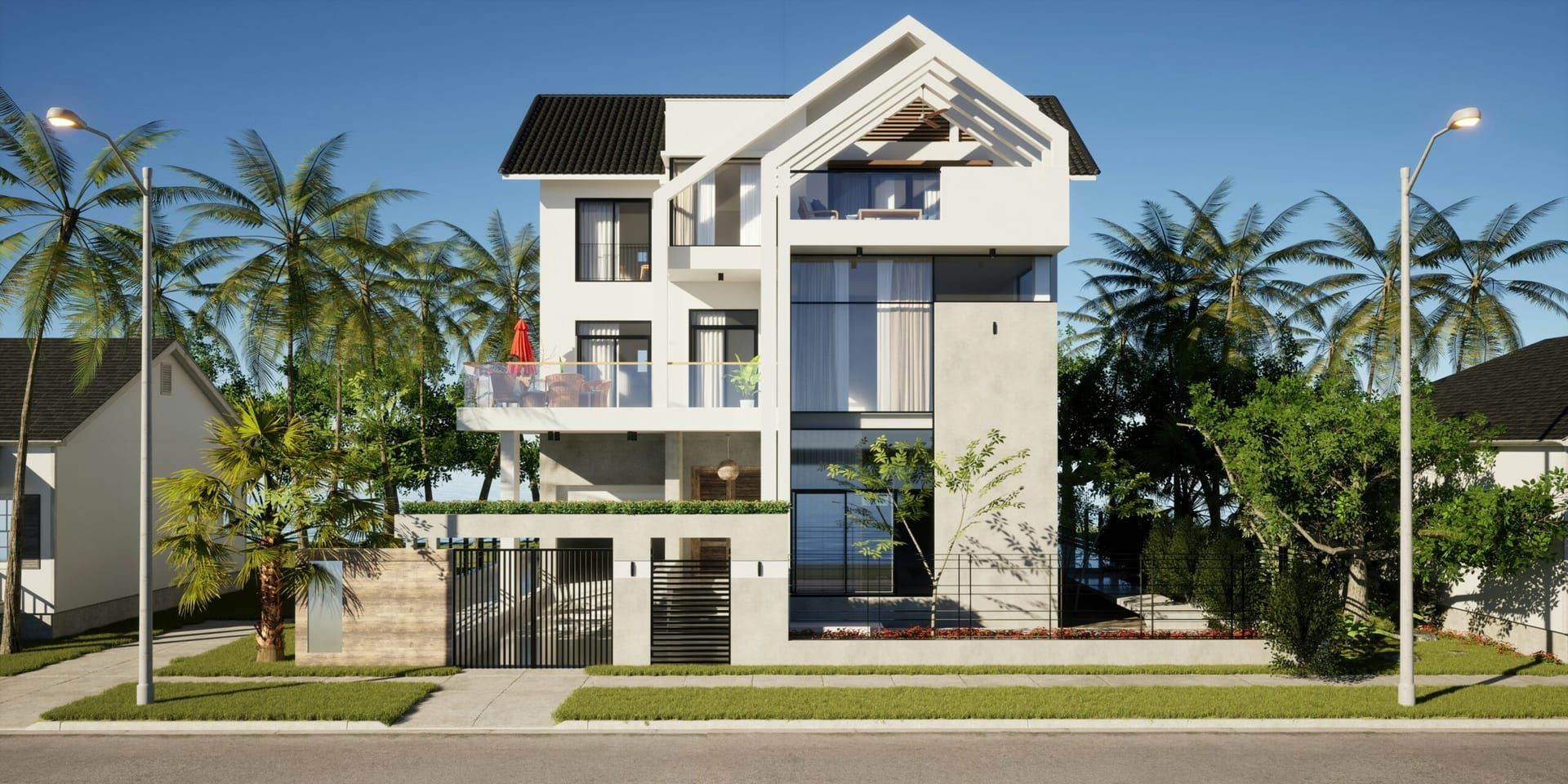
Los Angeles has long faced an affordable housing crisis, with skyrocketing prices and a limited supply of units for low and moderate-income residents. However, on June 4, 2025, the Los Angeles City Council passed a groundbreaking zoning law aimed at increasing the availability of affordable housing throughout the city.
Key Changes in Zoning Laws
The new zoning laws approved by the council will allow for greater density in many residential neighborhoods by relaxing restrictions on the number of units that can be built on a property. Under the new laws, developers will be able to build duplexes, triplexes, and fourplexes in neighborhoods that were once restricted to single-family homes. The goal of these changes is to make it easier for developers to build more affordable housing units while maintaining the character of existing communities.
The new rules also include financial incentives for developers to include affordable units in their projects. These incentives include tax breaks, streamlined permitting processes, and lower parking requirements for affordable housing developments. The hope is that these incentives will encourage private developers to build more units at below-market rates while also contributing to the city’s overall housing supply.
The Impact on Affordable Housing
The new zoning laws represent a bold step forward in addressing Los Angeles’ housing crisis. By expanding multi-family zoning in key areas, the city is making it easier for developers to build the types of housing that are most needed in high-demand neighborhoods. The inclusion of affordable units in market-rate developments is also expected to ensure that a greater percentage of new housing stock is accessible to low-income families.
The changes are also expected to promote housing equity, as they focus on ensuring that affordable housing is distributed throughout the city and not concentrated in specific neighborhoods. This is particularly important in neighborhoods where housing costs have soared, pushing many long-time residents out of their communities.
Challenges Ahead
Despite the positive outlook, there are concerns about the potential effects of the new zoning laws. Some community groups fear that increasing density in certain neighborhoods could lead to gentrification, raising rents and displacing existing residents. There are also concerns about the adequacy of infrastructure to support increased density, particularly in areas with already congested streets or strained public services.
As the city moves forward with the new zoning laws, it will need to carefully monitor the implementation of these changes and make adjustments as necessary to ensure that the laws have their intended effect of increasing affordable housing without exacerbating the displacement of vulnerable communities.

Top Listings Contributor
Covers commercial property and housing policy, following the regulation and capital that move the market.
This article features partner, contributor, or branded content from a third party. Members of the Top Listings editorial staff were not involved in the creation of this content. All views and opinions are those of the contributor alone.


Related Posts