
Hurricane Isaias raised concerns for Florida Gulf Coast homeowners as strong winds, flooding risks and power outages complicated property recovery.
Residential Areas Face Post-Storm Assessments
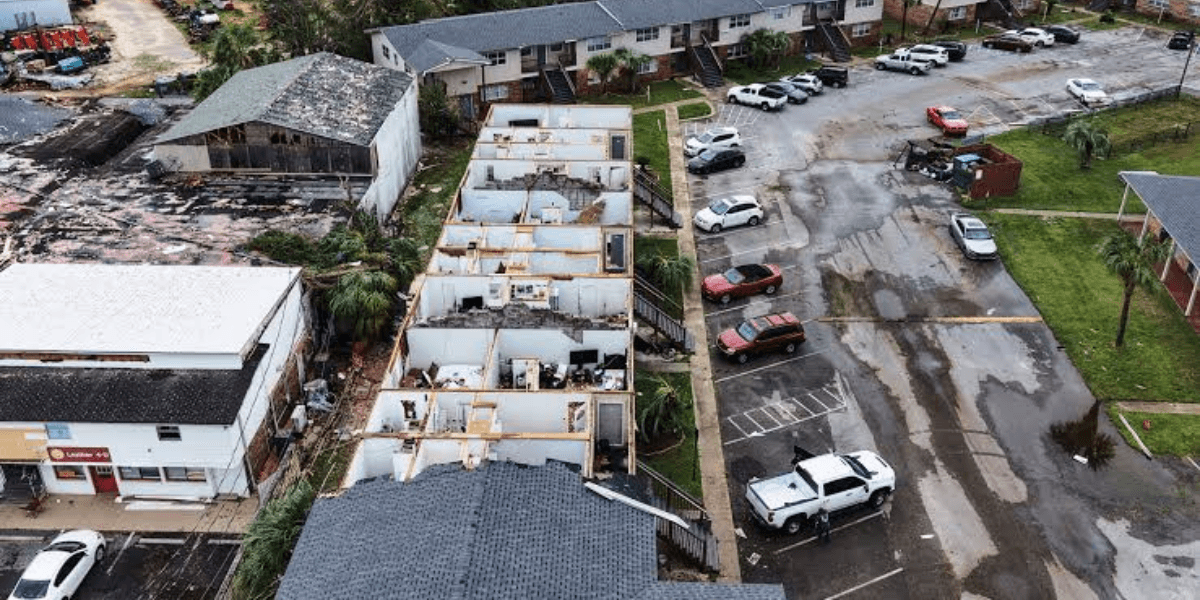
The storm reached the Florida Gulf Coast on October 9, but its effects remained a major concern the following day as state officials coordinated recovery operations. The governor's office reported that 439,162 electric accounts were without power as of 1 p.m. on October 10.
The storm brought maximum sustained winds of approximately 105 mph and produced wind gusts exceeding 100 mph at some observation points. Coastal water levels also rose significantly in parts of the Panhandle.
For homeowners, the immediate concerns following such conditions include roof damage, broken windows, fallen trees, water intrusion and the availability of electricity. The actual effects vary by property depending on its location, construction, maintenance and exposure to wind and water.
The number of outages illustrates the scale of the disruption but does not establish how many homes sustained physical damage.
Why Coastal Homes Face Multiple Risks
Properties along the Gulf Coast can face several hazards during a hurricane. Strong winds may damage roofs, siding, windows and external structures, while heavy rainfall can overwhelm drainage systems and lead to water entering buildings.
Storm surge and wave action create a separate threat in coastal areas. Water can move into streets and residential properties, particularly where elevation is low or protective features are insufficient for the conditions.
The Florida recovery update reported water levels approximately 5.6 feet above average high tide at a gauge in Panama City Beach. Such a measurement indicates elevated water conditions, although the amount of flooding experienced by an individual property depends on its precise location and surrounding terrain.
Even homes that avoid direct flooding can be affected by blocked roads, damaged utilities and interruptions to nearby services.
Power Outages and Residential Habitability
Electricity is essential to many aspects of residential life, including refrigeration, air conditioning, communications and medical equipment. Following a hurricane, extended outages can make homes difficult to occupy, particularly for residents with specific health or accessibility needs.
Restoration crews must inspect equipment and repair damaged sections of the electrical network. Fallen trees, broken poles and unsafe wires can complicate the process, and repairs may need to be prioritized according to the severity of damage and public-safety concerns.
Residents should not assume that electricity can be restored immediately after the weather improves. Restoration estimates depend on the condition of local infrastructure and the amount of work required.
Homeowners should also avoid entering areas where floodwater may have affected electrical systems or where buildings may have suffered structural damage.
Assessing Property Damage
A careful inspection after a storm can help property owners understand the extent of damage. Roofs, windows, exterior walls, drainage systems and surrounding trees are among the areas that may require attention.
Visible damage does not always reveal the full condition of a building. Water can enter concealed spaces, and damage to electrical systems may not be obvious from the outside.
Property owners may need qualified professionals to assess structural or electrical concerns. Documentation of damage can also help when communicating with insurers or contractors.
Insurance coverage varies by policy and type of loss. Owners should review their own coverage rather than assuming that every form of hurricane-related water damage is treated identically.
Local Infrastructure and Neighborhood Recovery
Residential recovery depends partly on conditions outside individual properties. Roads must be cleared, public services restored and hazardous infrastructure secured before some neighborhoods can return to normal activity.
When several systems are affected simultaneously, delays in one area can complicate recovery elsewhere. For example, blocked roads may slow access for repair crews, while power outages can affect communication and property inspections.
State and local authorities coordinate with utilities and other organizations to identify urgent needs and restore access to affected communities.
What Homeowners Should Monitor
Official updates from emergency-management agencies and utilities remain important during recovery. Residents should check for road closures, restoration information and warnings about damaged infrastructure.
Before beginning repairs, homeowners should establish whether the property is safe to enter and determine which issues require professional attention. Photographs and records of damage can help maintain a clear account of the property's condition.
The storm's full residential impact will become clearer as inspections continue. Early reports of wind speeds and outages provide important context, but they do not replace property-by-property assessments.
A Reminder About Coastal Property Resilience
Hurricane Isaias illustrates how wind, water and utility failures can combine to affect residential communities. For homeowners, preparedness and recovery involve more than protecting a building from direct impact; they also require attention to drainage, access, utilities and the condition of surrounding infrastructure.
The October 10 recovery effort marked an important step toward determining the storm's effects on Florida's Panhandle. The eventual outcome for individual properties will depend on documented damage, the availability of repairs and the speed with which essential services can be restored.

Top Listings Contributor
Covers homeownership and the agent's craft, from what buyers walk into to how the deal actually gets done.
This article features partner, contributor, or branded content from a third party. Members of the Top Listings editorial staff were not involved in the creation of this content. All views and opinions are those of the contributor alone.

Related Posts