

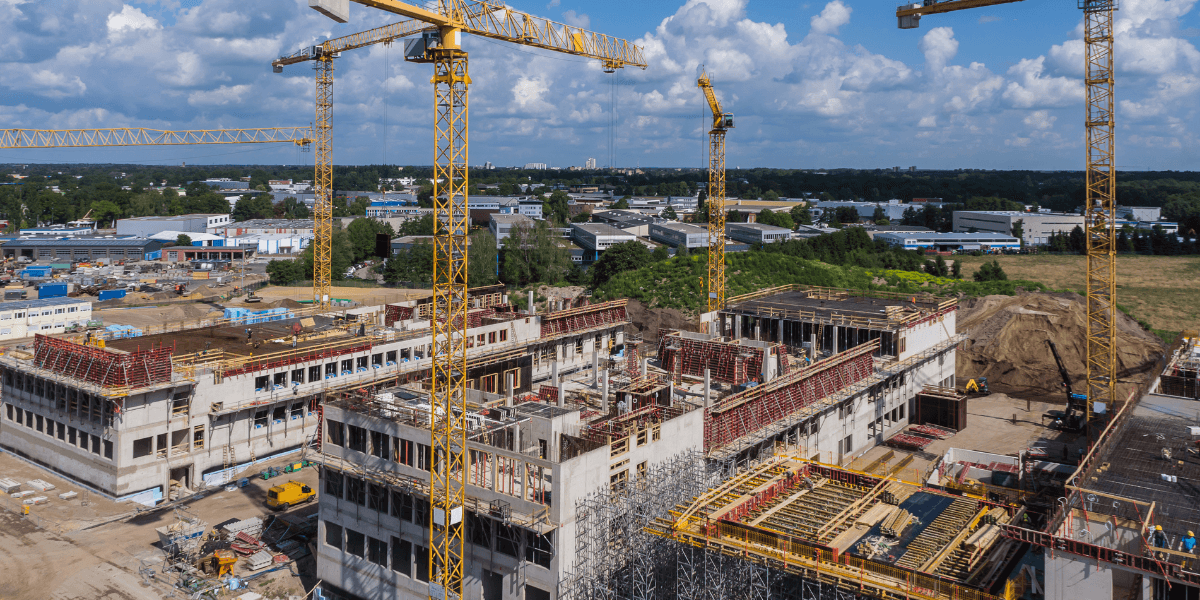
The U.S. real estate industry continues to witness significant growth in the build-to-rent sector as developers accelerate construction of purpose-built rental communities across major housing markets. New industry activity observed this week highlights how builders, investors, and property operators are adapting to evolving consumer preferences and changing housing affordability conditions throughout the country.
Build-to-rent communities have emerged as one of the most influential trends in residential real estate over the past several years. Unlike traditional housing developments designed for individual ownership, these neighborhoods are built specifically for long-term rental occupancy. The communities often feature detached single-family homes, professionally managed services, shared amenities, and technology-driven resident experiences.
The sector’s expansion reflects broader shifts in the housing landscape. Rising homeownership costs in many metropolitan regions have encouraged some households to explore alternative housing options that provide flexibility while still offering the benefits of single-family living. As a result, developers have increasingly focused on creating rental communities that combine privacy, convenience, and professional management.
Industry analysts report that development pipelines remain active in several fast-growing regions, particularly across the Sun Belt. States including Texas, Florida, Arizona, Georgia, North Carolina, and Tennessee continue to attract substantial investment due to population growth, employment expansion, and strong housing demand. These markets have become focal points for developers seeking opportunities within the rental housing sector.
The continued growth of build-to-rent housing illustrates how consumer preferences are influencing development strategies. Many renters are seeking larger living spaces, outdoor areas, and neighborhood environments traditionally associated with homeownership. At the same time, they value the flexibility and reduced maintenance responsibilities that rental arrangements provide.
Developers have responded by creating communities that incorporate features often found in owner-occupied neighborhoods. Modern build-to-rent projects frequently include private garages, fenced yards, walking trails, fitness facilities, community gathering spaces, pet-friendly amenities, and recreational areas designed to enhance resident satisfaction.
For investors, the sector has become increasingly attractive due to sustained demand and long-term growth potential. Institutional investment firms, private equity groups, and real estate operators have expanded their involvement in rental housing as they seek assets capable of generating stable occupancy and recurring revenue streams. The growth of institutional participation has helped transform build-to-rent housing from a niche concept into a recognized segment of the residential real estate market.
Technology is also playing a significant role in shaping the future of rental communities. Property operators are increasingly adopting digital leasing platforms, resident communication portals, smart-home systems, automated maintenance tools, and online payment technologies. These innovations are designed to improve operational efficiency while providing residents with a more convenient housing experience.
The rise of PropTech solutions has become an important consideration for developers and property managers. As consumers become accustomed to digital experiences in other areas of daily life, expectations regarding housing services continue to evolve. Technology integration is increasingly viewed as a competitive advantage within the rental market.
Real estate professionals note that the growth of build-to-rent communities is contributing to a broader diversification of housing options. Rather than relying solely on traditional apartment developments or for-sale housing, developers are creating alternative products designed to serve households with varying financial circumstances, lifestyle preferences, and long-term goals.
Housing economists suggest that additional rental inventory may help address some supply-related challenges affecting local markets. While no single development type can resolve housing shortages on its own, increased housing production can contribute to a more balanced marketplace by expanding options available to consumers.
The trend is also influencing the work of real estate agents and property professionals. Realtors, leasing specialists, developers, and property managers are adapting to a market where rental housing represents an increasingly important component of residential activity. Understanding renter preferences, technology adoption, and demographic trends has become essential for professionals seeking to remain competitive.
The broader economic impact of build-to-rent development extends beyond housing itself. Construction firms, material suppliers, maintenance providers, technology vendors, landscaping contractors, and property management companies all participate in the creation and operation of these communities. This activity supports employment and investment throughout multiple segments of the economy.
Market observers believe demographic trends will continue supporting rental demand in the coming years. Younger households, relocating professionals, growing families, and individuals seeking flexibility have all contributed to increased interest in rental housing alternatives. These groups often prioritize convenience, mobility, and lifestyle considerations when making housing decisions.
Industry leaders emphasize that build-to-rent communities are not replacing homeownership but rather expanding the range of available housing choices. By offering professionally managed single-family living arrangements, developers are addressing demand from residents whose housing needs may not align with traditional ownership models.
As new communities continue to open across the country, the sector remains one of the most closely watched areas within residential real estate. Developers are actively evaluating future opportunities, investors continue to monitor market performance, and housing professionals are assessing how evolving consumer behavior may shape long-term demand.
The ongoing expansion of build-to-rent housing demonstrates the adaptability of the real estate industry in responding to changing market conditions. As affordability concerns, demographic shifts, and lifestyle preferences continue to influence housing decisions, purpose-built rental communities are expected to remain a significant part of the nation’s housing landscape and a major topic within real estate industry discussions.

Top Listings Contributor
Covers market analysis and property technology, tracking where the data and the tools are pushing the industry next.
This article features partner, contributor, or branded content from a third party. Members of the Top Listings editorial staff were not involved in the creation of this content. All views and opinions are those of the contributor alone.


Related Posts