

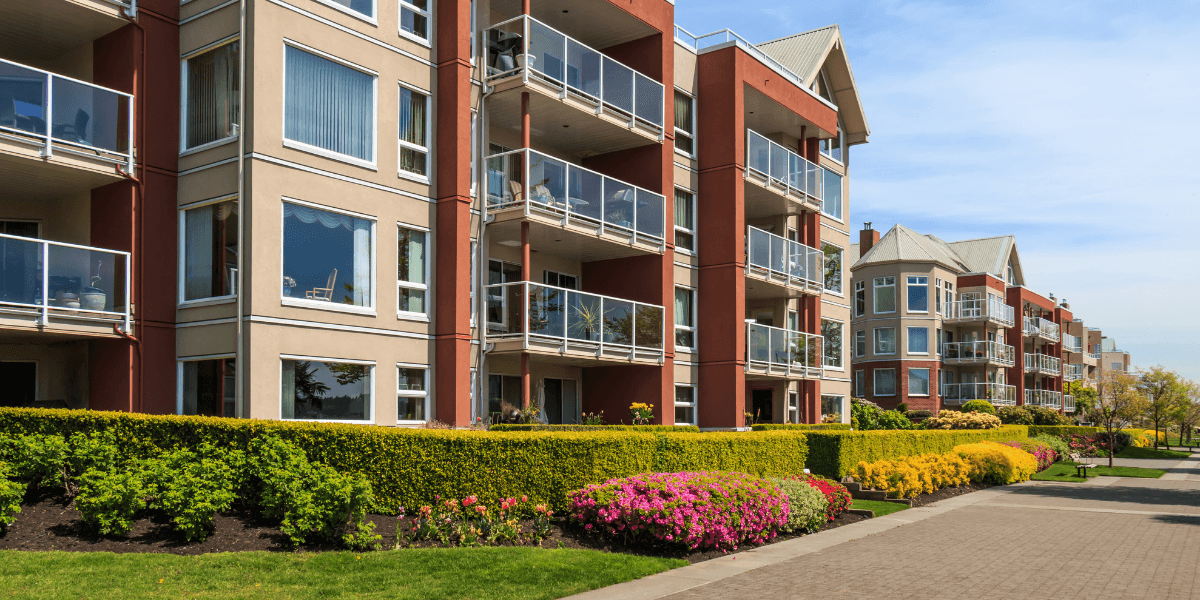
The U.S. rental housing market is entering a new phase as a surge in multifamily apartment construction continues to reshape supply-and-demand dynamics across many metropolitan areas. Recent industry data indicate that the substantial increase in new apartment deliveries is helping moderate rent growth, creating a more balanced environment for renters while prompting investors and property owners to refine their long-term strategies.
Market analysts report that the wave of newly completed apartment communities has expanded housing inventory in many regions, reducing the pricing pressure that characterized the rental market over the past several years. As additional units become available, landlords are increasingly competing through leasing incentives, upgraded amenities, and enhanced resident services instead of relying primarily on aggressive rent increases.
The latest figures from Yardi Matrix show that advertised apartment rents continue to increase only modestly on a national basis, suggesting that the growing supply of multifamily housing is contributing to a healthier equilibrium between landlords and tenants. Although performance varies by market, the overall trend points toward greater stability after an extended period of exceptional rent appreciation.
For real estate investors, the changing landscape emphasizes the importance of focusing on operational performance rather than depending solely on rental rate growth. Occupancy, resident retention, property management quality, and efficient operating expenses are becoming increasingly significant drivers of investment returns as competition among apartment communities intensifies.
Property owners are also investing more heavily in capital improvements that enhance the resident experience. Smart-home technology, package management systems, energy-efficient upgrades, coworking areas, and wellness-focused amenities are becoming common differentiators in competitive leasing markets. These investments not only support occupancy but can also strengthen long-term property values by improving tenant satisfaction.
Another important consideration is the continued affordability challenge facing prospective homebuyers. Elevated mortgage rates have made homeownership more difficult for many households, keeping a substantial number of consumers in the rental market longer than originally anticipated. While this sustained demand supports apartment occupancy, the increase in available inventory has helped prevent rental prices from rising as rapidly as they did during previous years
Regional variation remains a defining characteristic of today’s housing market. Fast-growing metropolitan areas with strong employment gains continue to experience relatively healthy rental demand, while markets that have delivered particularly large volumes of new apartment construction are seeing increased competition among property owners. For investors, local economic conditions, population growth, and construction pipelines remain essential considerations when evaluating acquisition opportunities.
Commercial real estate professionals are likewise monitoring how multifamily performance influences broader investment activity. Apartment properties have remained among the most actively traded commercial asset classes because of their relatively stable income streams and consistent demand. As financing conditions gradually evolve, investors continue seeking assets that offer long-term resilience supported by strong demographic fundamentals.
Technology is also playing a larger role in multifamily operations. Artificial intelligence, predictive maintenance tools, digital leasing platforms, virtual tours, and automated resident communication systems are helping owners improve efficiency while delivering a more convenient leasing experience. These PropTech solutions allow property managers to streamline administrative tasks, reduce operating costs, and respond more quickly to resident needs.
For real estate agents and investment professionals, the current market reinforces the importance of advising clients with market-specific data rather than relying on national averages alone. Inventory levels, employment trends, housing affordability, and local construction activity can vary significantly between metropolitan areas, making localized analysis increasingly valuable for investment decisions.
Looking ahead, economists expect multifamily supply growth to remain an important factor influencing rental performance. While the pace of new construction may moderate as financing costs and development expenses remain elevated, the projects currently entering the market are likely to continue shaping leasing conditions across many cities.
For investors, developers, and property managers, the evolving rental landscape presents both opportunities and challenges. Success is likely to depend less on rapid rent appreciation and more on disciplined asset management, operational efficiency, and delivering value that encourages long-term resident retention. As the market continues to normalize, those fundamentals are expected to remain central to performance across the multifamily sector.

Top Listings Contributor
Covers market analysis and property technology, tracking where the data and the tools are pushing the industry next.
This article features partner, contributor, or branded content from a third party. Members of the Top Listings editorial staff were not involved in the creation of this content. All views and opinions are those of the contributor alone.


Related Posts