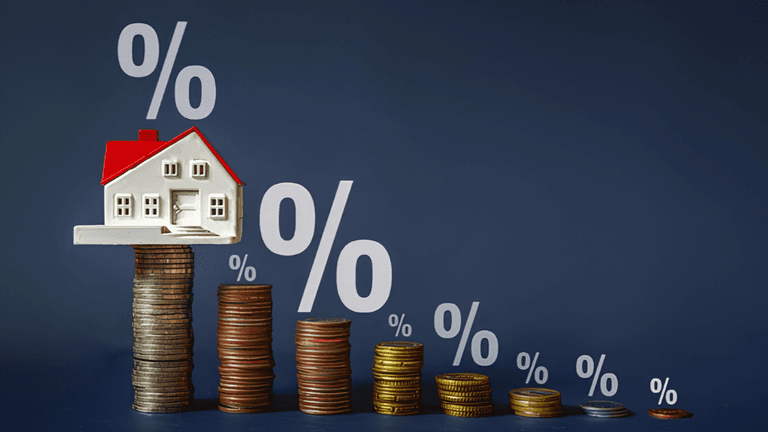


The decline in signed home-sale contracts signals renewed pressure on housing demand as borrowing costs weigh on prospective buyers.
Pending sales weaken across the country
Pending home sales in the United States declined sharply in September, according to a report released by the National Association of Realtors on October 20. The Pending Home Sales Index fell 7.3% month over month and 11.3% year over year, indicating that fewer transactions were moving toward completion.
Unlike existing-home sales, which count completed transactions, pending sales measure homes under contract. The index therefore provides an indication of activity earlier in the purchase process, although some contracts may not ultimately close.
The report showed declines across all four major U.S. regions on both a monthly and annual basis. The West recorded the largest monthly decrease, followed by the South, Midwest and Northeast.
The broad-based contraction suggests that the slowdown was not confined to one regional housing market.
Mortgage rates influence buyer decisions
The National Association of Realtors attributed the weakening conditions to rapidly rising mortgage rates. Borrowing costs are a central factor in determining whether prospective buyers can afford a property at a given price.
When mortgage rates rise, monthly payments generally increase for comparable loan amounts. Buyers may respond by reducing their budgets, delaying a purchase or searching for less expensive properties.
The effect can be particularly pronounced for first-time buyers, who may have less accumulated equity and fewer financial resources available for a down payment.
Even households with stable employment can face affordability constraints when financing costs rise faster than their available purchasing power. Higher insurance premiums, property taxes and maintenance expenses can add further pressure.
The report's findings demonstrate that buyer demand depends on more than the number of properties available for sale.
Regional differences remain important
The decline across all four regions provides a national signal, but local market conditions still matter.
Housing supply, wage growth, employment opportunities and population changes vary substantially between metropolitan areas. Those differences influence the prices buyers encounter and the range of properties available within a particular budget.
A region with expanding construction activity may offer a different selection of homes from one where development has lagged behind demand. Likewise, a local market with strong employment growth may have different demand conditions from a community experiencing economic uncertainty.
For real estate professionals, national data are most useful when considered alongside local pending contracts, new listings, closed transactions and inventory.
Implications for agents and sellers
A decline in pending transactions can affect the expectations of sellers preparing to list their properties. Fewer buyers entering contracts may mean that homes take longer to sell, particularly when asking prices do not reflect current affordability conditions.
Agents may need to explain how mortgage costs affect purchasing power and why comparable sales are important when determining a property's position in the market.
Sellers also face competition from other listings. Property condition, location, presentation and pricing can influence whether buyers consider a home worth pursuing.
However, the national index does not establish that every property will experience a delay or price reduction. Individual results depend on local demand and the characteristics of each listing.
What the industry should watch
Pending sales are an important indicator because they precede completed transactions. A sustained decline could eventually affect closing volumes and related services, including mortgage processing, inspections, appraisals and moving arrangements.
Yet one monthly report cannot establish the direction of the housing market for the remainder of the year. Changes in mortgage rates, household incomes, employment and available inventory could influence subsequent results.
The October report provides a clear indication that financing conditions were affecting prospective buyers during September. Its broad regional pattern makes the decline particularly relevant to agents, brokers, lenders and property owners.
For the real estate industry, the central question is whether demand can stabilize while households continue to navigate borrowing costs and housing expenses. The latest figures show that affordability remains a major constraint on transactions moving from signed contracts to completed sales.

Top Listings Contributor
Covers market analysis and property technology, tracking where the data and the tools are pushing the industry next.
This article features partner, contributor, or branded content from a third party. Members of the Top Listings editorial staff were not involved in the creation of this content. All views and opinions are those of the contributor alone.

Related Posts