
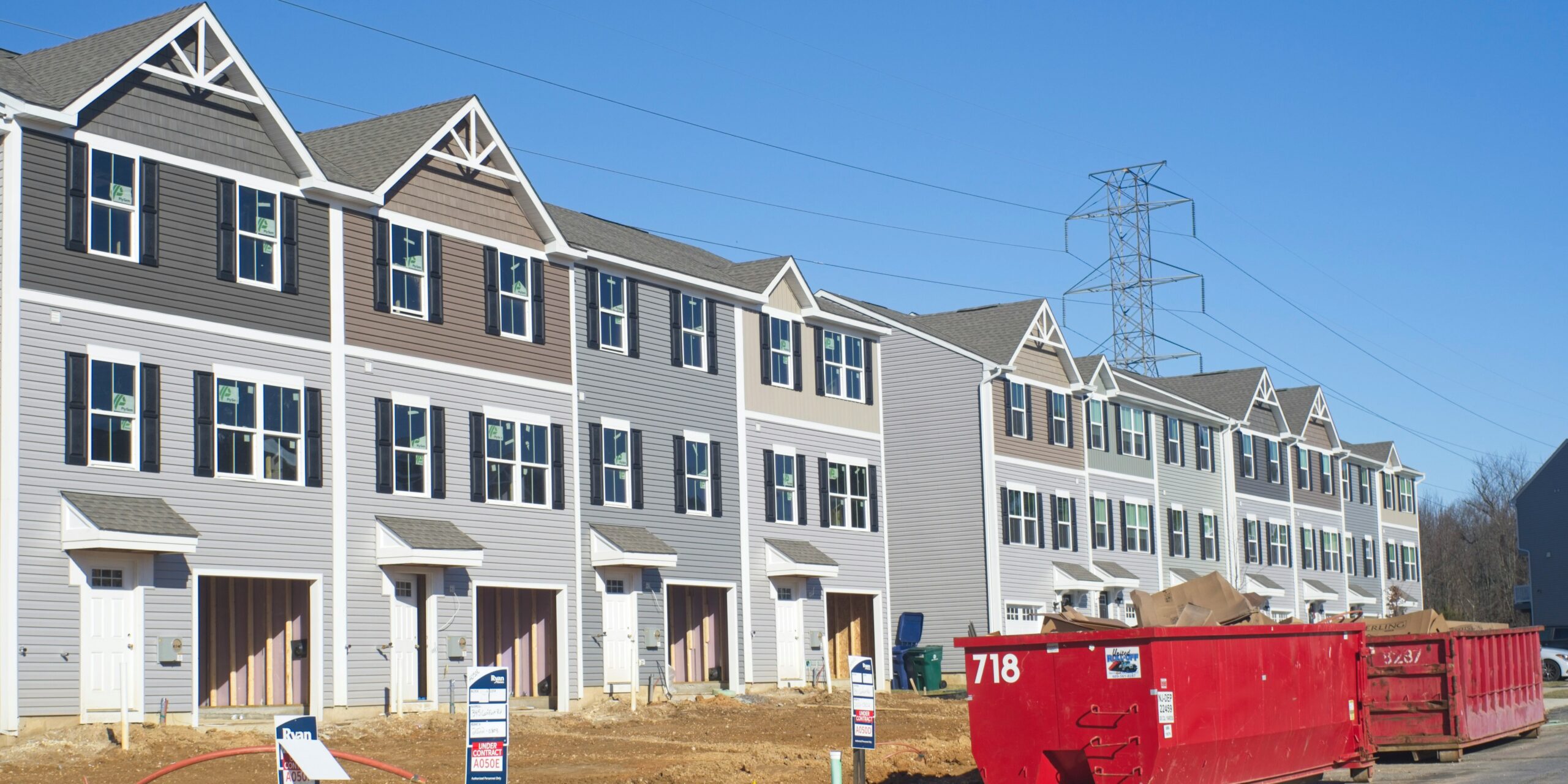
The U.S. housing market has firmly entered a period of transition as home-price appreciation continues to cool in the final quarter of 2025. New data shows that annual home-price growth across major metropolitan areas stood at just 1.3 percent as of August, a substantial decline from the rapid gains seen over the past several years. This softening has been attributed to a combination of high mortgage rates, persistent affordability challenges, and a broader economic uncertainty that is weighing on consumer sentiment.
The slowing trend is most visible when comparing year-over-year gains to the national inflation rate, which stood at 2.9 percent over the same period. With home-price increases falling below inflation, the real value of residential property is effectively stagnating. In monthly terms, prices fell 0.3 percent from July to August, continuing a pattern of marginal declines after a modest 0.2 percent decrease the previous month. These indicators reflect a housing market in rebalancing mode—neither crashing nor surging, but rather adjusting to a new normal after several years of volatility.
While national averages suggest a mild overall slowdown, the story becomes more complex when zooming in on regional markets. In some parts of the country, particularly in the Northeast and certain Midwestern metropolitan areas, housing fundamentals remain resilient. These markets continue to post annual home-price increases in the range of 6 to 7 percent, supported by steady demand, limited inventory, and relatively stable local economies.
However, this strength is not uniform across the country. In Florida, Colorado, and parts of the Mountain West, home prices are either flat or in decline. Florida, in particular, stands out as a notable example, with seven of the top ten metro areas experiencing negative price growth located within the state. Several factors contribute to these regional discrepancies. In many of the underperforming markets, rising property taxes and sharply increased insurance costs—often due to climate-related risks—are inflating escrow payments and discouraging new buyers. In some areas, total housing-related monthly expenses have risen nearly 45 percent compared to five years ago, stretching household budgets and weakening affordability.
The impact of higher mortgage rates is also a nationwide phenomenon, and it continues to shape the decisions of both buyers and sellers. The average 30-year fixed mortgage rate remains above 7 percent, a stark contrast to the sub-4 percent rates that characterized much of the housing boom between 2020 and 2022. This elevated cost of borrowing is significantly reducing buyers’ purchasing power. Many prospective homeowners now find themselves priced out of markets they could once afford, leading to reduced competition and lengthier listing periods for sellers.
For sellers, the current environment demands flexibility. Homes are taking longer to sell, and the days of receiving multiple offers above asking price within the first weekend are largely over in many markets. Sellers may need to consider price reductions or offer incentives such as covering closing costs or providing renovation credits to attract serious buyers. This shift does not necessarily signal a crisis, but rather a move toward more balanced market conditions.
For buyers, the rebalancing phase presents both opportunities and ongoing challenges. On the positive side, there is more room to negotiate on price and terms, particularly in markets where demand has softened. Some buyers are taking advantage of the slowdown to reenter the market after sitting on the sidelines during the frenzied periods of rapid price growth. Still, affordability remains a barrier, and even with modest price declines, the combination of elevated mortgage rates and ancillary costs keeps the monthly cost of homeownership high in many areas.
Despite the cooler conditions, analysts emphasize that a housing market crash is not on the horizon. Unlike the 2008 financial crisis, today’s slowdown is underpinned by strong underwriting standards, limited inventory, and low rates of mortgage delinquency. Homeowners continue to hold significant equity in their properties, and the vast majority are locked into low fixed-rate mortgages, making forced sales unlikely.
Looking ahead, the outlook for 2026 hinges on several key variables, including the trajectory of interest rates, job market strength, and overall economic growth. Should the Federal Reserve ease rates in the coming year, housing activity could see a rebound. However, if economic uncertainty persists or inflation proves sticky, the market may remain in a subdued state for some time.
The broader implications of the housing market’s cooling extend beyond real estate itself. Slower home-price growth has a dampening effect on consumer spending, as households feel less confident tapping home equity for big-ticket purchases or renovations. It may also reduce tax revenues for municipalities and shift the dynamics of urban development and planning.
In sum, the U.S. housing market in late 2025 is navigating a reset. After years of volatility and extremes—first from pandemic-fueled surges, then from monetary tightening and economic headwinds—the market is entering a phase of recalibration. The days of double-digit price gains may be behind us, at least for now, as the sector steadies itself in a climate of elevated costs and tempered demand. For both buyers and sellers, this represents a period of adjustment, where patience, strategy, and local market awareness will be more important than ever.
Read Also: https://toplistings.com/innovative-smart-home-technologies-gain-traction-in-u-s-housing-market/