
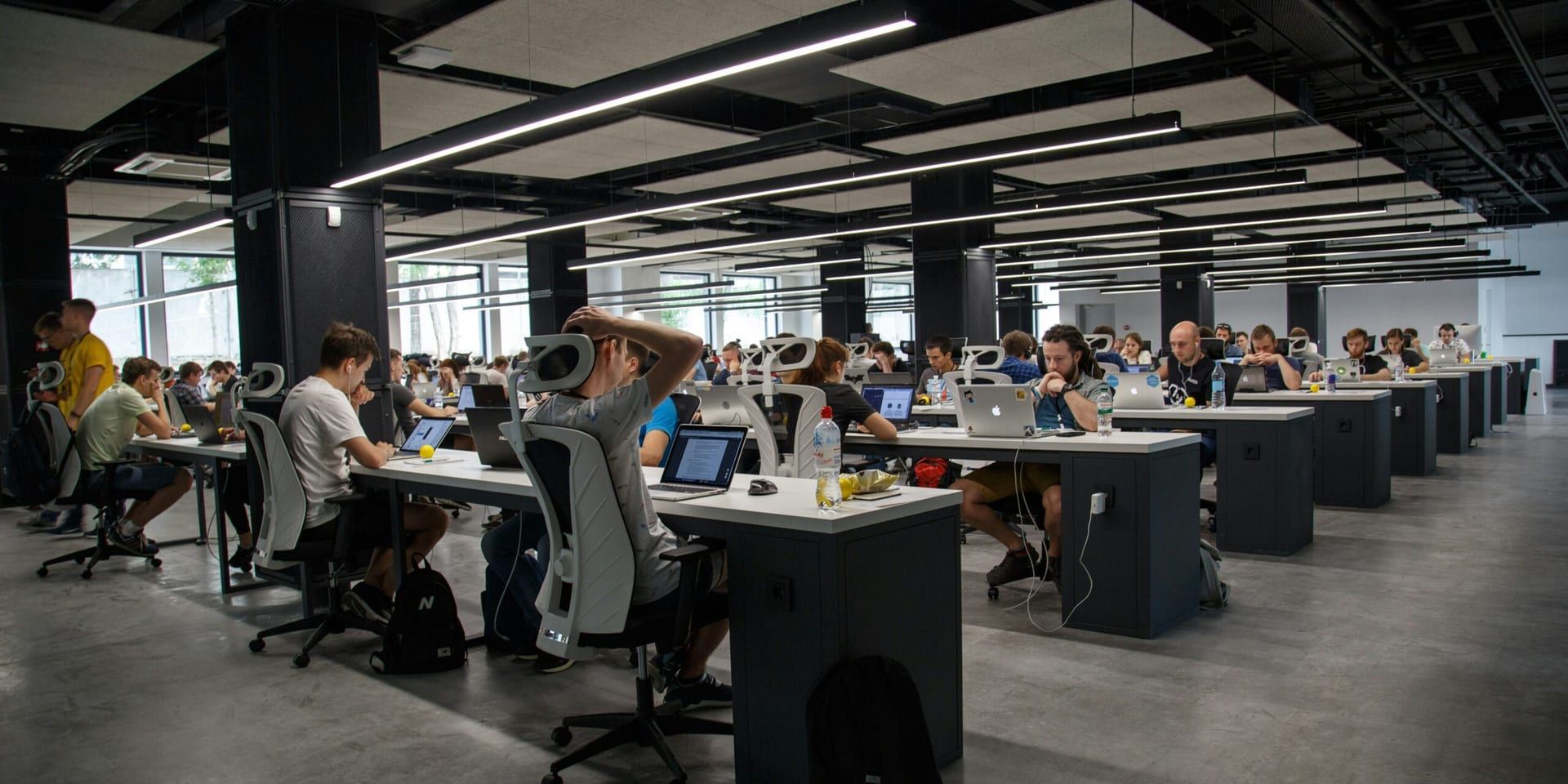
The Los Angeles office real estate market showed notable resilience in the first quarter of 2025, despite the broader economic challenges and uncertainty faced by businesses across the country. According to the latest report from Savills USA, leasing activity in the Los Angeles office market reached 3.4 million square feet in Q1 2025, a slight increase from the same period in the previous year. This uptick in leasing activity signals that demand for office space remains steady in the region, despite the ongoing challenges of remote work and shifting market dynamics.
Leasing Activity and Market Outlook
The commercial office market in Los Angeles, like other major cities, has been experiencing a shift due to the increasing adoption of hybrid work models. The COVID-19 pandemic accelerated the shift toward remote work, leading many businesses to reconsider their office space needs. Many companies have adopted hybrid work models, where employees work both from home and from the office, which has resulted in a rethinking of the traditional office environment.
Despite the rise of remote work, the demand for office space in Los Angeles has remained strong in 2025. In particular, leasing activity in Class A office buildings—those with high-end amenities and prime locations—has seen a resurgence. Businesses continue to value office spaces that foster collaboration and innovation, and these spaces are often located in prime areas such as downtown Los Angeles and the Century City business district.
The demand for office space in Los Angeles is being driven by several factors. The region remains a hub for industries like entertainment, tech, and finance, all of which require office space for collaboration, meetings, and client interactions. In addition, the city’s diverse and growing workforce continues to drive demand for office buildings that are accessible, well-located, and conducive to hybrid work setups.
Vacancy Rates and Trends in Tenant Preferences
While leasing activity has increased, vacancy rates have also slightly risen. As of Q1 2025, the overall vacancy rate for office buildings in Los Angeles stood at 16.4%, up from 15.8% in the previous year. This increase in vacancy rates can be attributed to a combination of factors, including the continued preference for hybrid work models, businesses downsizing, and the oversupply of office space in certain areas of the city.
Despite the rise in vacancy rates, businesses continue to seek flexible office spaces that can accommodate their evolving needs. There has been a significant increase in demand for coworking spaces, which offer businesses the flexibility to scale up or down based on their workforce size. These spaces are particularly popular among startups, tech companies, and creative agencies, which value flexibility and cost efficiency.
The trend toward flexible workspaces has prompted office landlords to adapt their offerings to meet changing tenant needs. Many landlords are investing in upgrades to their office buildings, adding amenities such as fitness centers, lounges, and advanced technology infrastructure to attract tenants. Additionally, office buildings with flexible leasing options, short-term contracts, and shared spaces are in high demand, as businesses look for ways to reduce long-term commitments and operational costs.
The Future of the Los Angeles Office Market
Looking ahead, experts predict that the Los Angeles office market will continue to evolve in response to changing business needs and market conditions. While remote and hybrid work will remain a key trend, demand for office space is expected to continue, particularly for high-quality buildings that cater to the needs of a modern workforce.
The office sector in Los Angeles will likely see an increased focus on sustainability, as tenants and landlords seek to reduce their environmental impact. Buildings with energy-efficient systems, green certifications, and sustainability initiatives are becoming increasingly attractive to tenants. The push for sustainability in office buildings is not only driven by tenant demand but also by local regulations, which increasingly require buildings to meet stringent environmental standards.
Additionally, mixed-use developments that combine office, residential, and retail spaces are likely to become more common in Los Angeles. These developments cater to the needs of businesses and workers who value proximity to amenities, transportation, and residential options. The integration of office space with residential and retail components offers a more holistic, community-oriented approach to urban development, aligning with the changing needs of workers and businesses in a post-pandemic world.
Conclusion: Navigating the Changing Landscape
The Los Angeles office market in 2025 presents both opportunities and challenges for businesses and landlords. While vacancy rates have risen slightly, demand for high-quality office spaces remains strong. The trend toward hybrid work and flexible office arrangements is reshaping the market, and businesses that embrace these changes will be better positioned for success. For real estate professionals, staying informed about market trends and tenant preferences will be essential for navigating the evolving landscape and helping clients find the right office spaces.

Top Listings Contributor
Covers commercial property and housing policy, following the regulation and capital that move the market.
This article features partner, contributor, or branded content from a third party. Members of the Top Listings editorial staff were not involved in the creation of this content. All views and opinions are those of the contributor alone.
Related Posts