
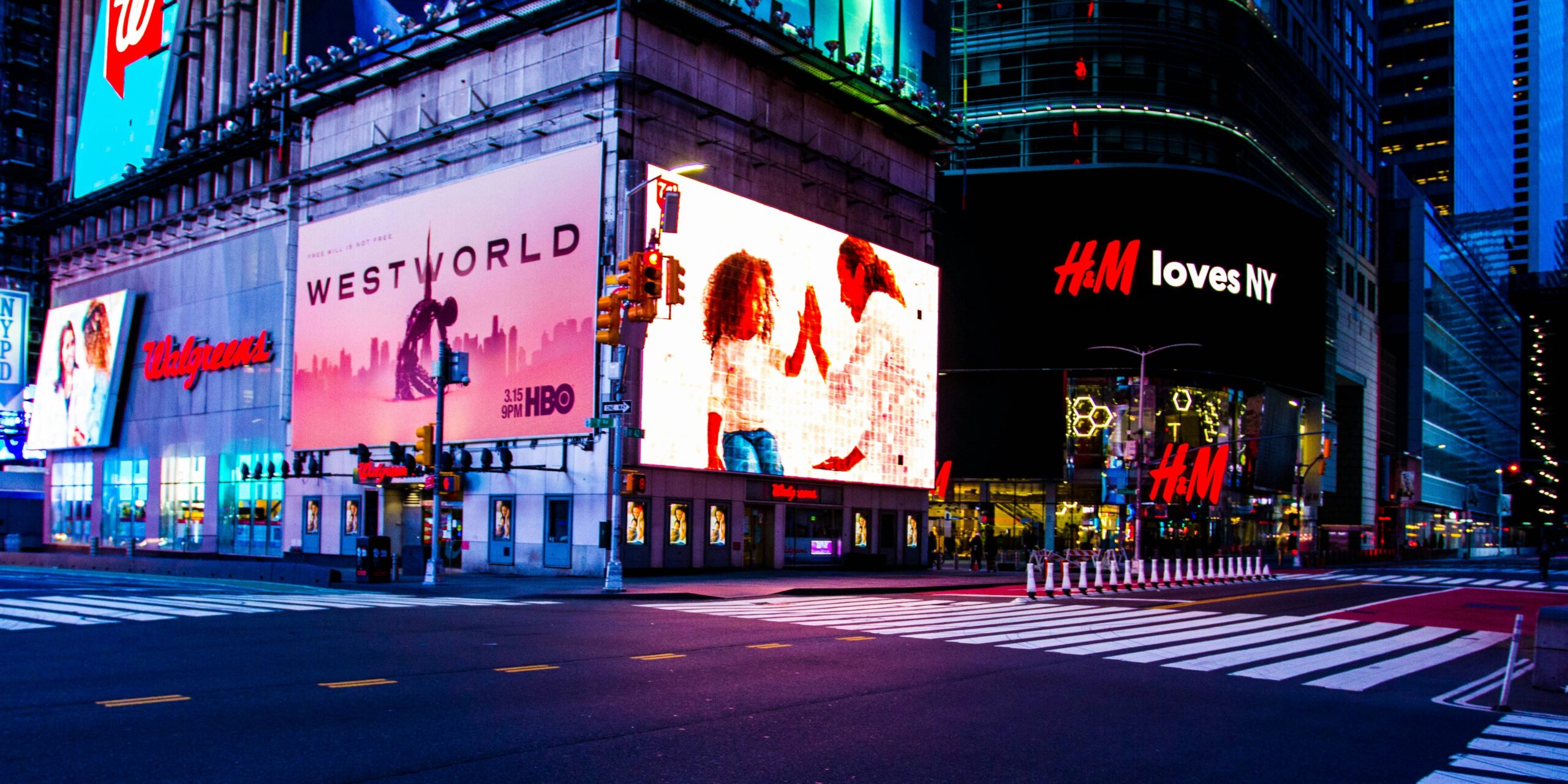
The commercial real estate sector is experiencing a notable shift in 2025, particularly in the wake of the post-Black Friday sales surge. The wave of online shopping has left a lasting impact on both retail and office space markets, forcing landlords and property managers to reconsider their strategies. As consumers increasingly turn to digital platforms for shopping, traditional retail storefronts are facing growing uncertainty. This has led retail landlords to reassess demand for physical spaces while office-space owners remain cautious due to slower hiring and the current climate of uncertain business expansion.
The growing dominance of online shopping is undeniable. Consumers have embraced the convenience and efficiency of purchasing goods online, and this trend continues to gain momentum. As a result, many retail businesses are scaling back their physical footprints. For landlords, this is a challenging scenario as they must determine the future demand for storefronts. In many cases, traditional retail spaces that once thrived during the holiday shopping season are now struggling to maintain their occupancy levels throughout the year. The rise of e-commerce has left these spaces increasingly underutilized, pushing landlords to adapt or risk long-term vacancies.
In response to these challenges, businesses are shifting their approach to physical retail locations. Instead of committing to long-term leases for new storefronts, many companies are opting for more flexible arrangements, such as pop-up stores or short-term leases. This allows them to test the market, assess consumer interest, and adjust their strategies without the commitment and cost of traditional retail leases. The rise of pop-up shops is not just a trend for holiday seasons; it has become a practical solution for businesses looking to engage customers in a physical space without the financial burden of long-term real estate investments. These flexible commercial realty options are likely to grow in demand as businesses continue to embrace adaptability.
At the same time, office-space owners are grappling with their own set of challenges. The slower pace of hiring, combined with ongoing uncertainty regarding business expansion, has led to hesitation in the demand for office space. Companies are still navigating the effects of remote work and hybrid work models, which means fewer employees are occupying traditional office buildings on a daily basis. As a result, many office-space owners are seeing increased vacancies and declining rent prices. This caution surrounding office real estate is expected to persist in the short term, with many businesses opting for smaller, more flexible office spaces or allowing employees to work remotely.
Investors and property managers are closely monitoring these trends, as economic forecasts suggest that broader business investment will soften in 2026. Rising input costs, coupled with tighter consumer spending, are expected to make companies more cautious about expanding their physical footprints. This uncertainty is creating a wait-and-see approach among investors in the commercial real estate sector. Property managers, meanwhile, are rethinking their strategies for attracting and retaining tenants in this evolving market.
However, not all areas of commercial real estate are experiencing a downturn. Some landlords are finding cautious optimism in the demand for mixed-use properties. These properties, which combine residential, retail, and flexible office spaces, have proven to be resilient in the face of shifting market dynamics. The appeal of mixed-use developments lies in their ability to meet a diverse set of needs. Tenants and owners alike are adapting to changing consumer habits, such as a preference for live-work-play environments, where everything from shopping to working and living is available within a short distance. In particular, properties located in urban or suburban mixed-use neighborhoods are seeing continued interest from both tenants and investors.
Mixed-use spaces offer a level of flexibility that is increasingly in demand. For businesses, the combination of retail and office space in one location allows for greater convenience and cost efficiency. For residents, these developments provide easy access to retail stores, restaurants, and workspaces, contributing to a more connected and dynamic community environment. As such, mixed-use properties may become increasingly attractive as both tenants and property owners continue to adapt to new business models and changing consumer needs.
The commercial real estate sector is clearly undergoing a period of significant change. While retail landlords face challenges in maintaining demand for traditional storefronts and office-space owners remain cautious amid economic uncertainty, there are still areas of opportunity. Flexible and adaptable commercial realty solutions, such as pop-up stores, short-term leases, and mixed-use developments, are likely to become more prevalent in the years to come. For investors and property managers, understanding these evolving trends and adjusting strategies accordingly will be key to navigating the future of commercial real estate.