

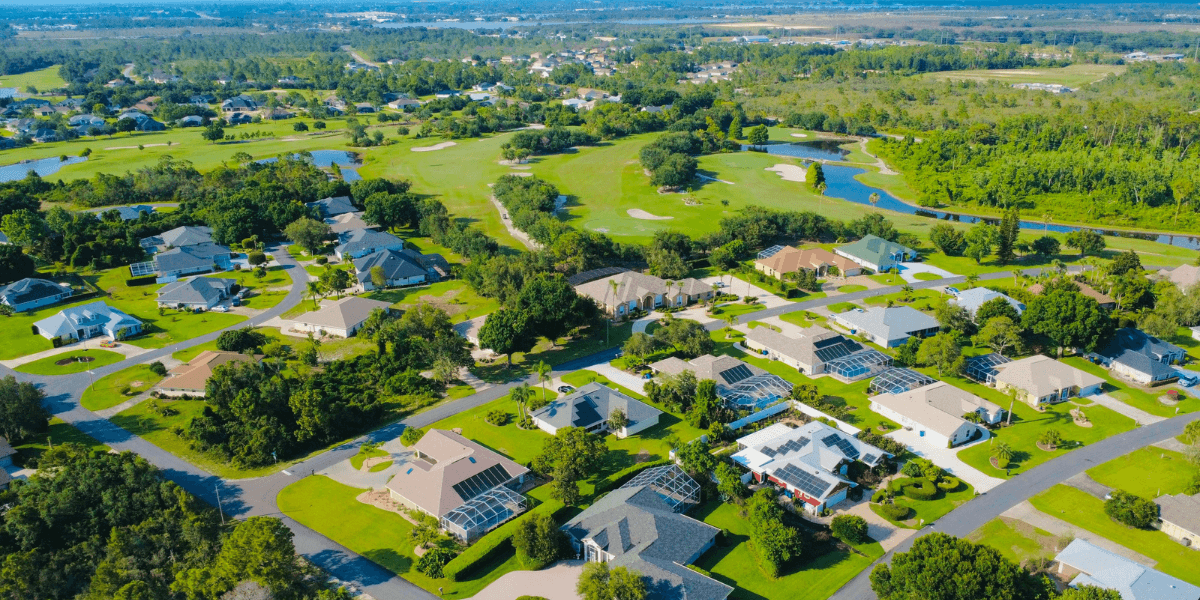
The U.S. build-to-rent housing sector continued its rapid expansion as new industry reports highlighted record levels of development activity across major metropolitan markets. The growth of purpose-built single-family rental communities has become one of the most closely watched trends in residential real estate, reflecting changing housing preferences, affordability challenges, and evolving investment strategies.
Build-to-rent developments are communities of newly constructed homes designed specifically for rental occupancy rather than individual homeownership. Unlike traditional apartment complexes, these communities typically feature detached homes, private yards, garages, and neighborhood-style layouts while offering professional property management and shared amenities.
Industry analysts report that thousands of build-to-rent homes are currently under construction or in planning stages across the United States. Developers have increasingly focused on regions experiencing strong population growth, employment expansion, and persistent housing demand. Markets in the Sun Belt continue to attract significant investment, with Texas, Florida, Arizona, Georgia, North Carolina, and Nevada among the most active development areas.
The sector’s continued growth reflects broader changes within the housing market. Elevated home prices and financing costs have made homeownership more difficult for some households, particularly first-time buyers. At the same time, many renters are seeking larger living spaces and suburban locations that provide greater flexibility for remote work, family needs, and lifestyle preferences.
Build-to-rent communities are emerging as an alternative that bridges the gap between apartment living and homeownership. Residents gain access to single-family homes while avoiding many of the responsibilities associated with owning a property, including major maintenance obligations, landscaping requirements, and long-term ownership commitments.
Real estate professionals note that demand is being driven by multiple demographic groups. Young professionals, growing families, relocating workers, and older adults seeking simplified living arrangements have all contributed to increased interest in professionally managed rental housing. This broad appeal has helped strengthen investor confidence in the long-term viability of the asset class.
Institutional investors and real estate developers have responded by increasing capital commitments to the sector. Large investment firms have identified build-to-rent communities as a strategic growth opportunity due to steady rental demand and the potential for long-term income generation. As a result, the sector has attracted billions of dollars in development funding over recent years.
Technology is also playing an increasingly important role in the evolution of rental communities. Many new developments incorporate smart-home systems, digital leasing platforms, mobile resident portals, remote access controls, and online maintenance management tools. These features help streamline property operations while improving convenience for residents.
The rise of technology-enabled property management has become a significant trend across the broader housing industry. Developers increasingly view digital infrastructure as an essential component of modern residential communities rather than a premium feature. Residents have become accustomed to digital experiences in banking, retail, transportation, and entertainment, creating similar expectations within housing.
The expansion of build-to-rent housing may also influence local housing supply dynamics. In many markets, population growth has outpaced new housing construction, contributing to affordability pressures and limited inventory. By increasing the availability of professionally managed rental homes, developers may provide additional housing options for households unable or unwilling to purchase property.
Housing economists caution that local outcomes vary significantly depending on market conditions. Factors such as land availability, construction costs, labor supply, infrastructure capacity, and regional population trends all influence development activity. Nevertheless, the growing presence of build-to-rent projects demonstrates how developers are adapting to changing consumer demand.
Community planning officials are increasingly evaluating proposals for these developments as part of broader housing strategies. Supporters often point to the potential benefits of expanded housing inventory, economic development, and increased consumer choice. Local governments typically assess projects based on infrastructure requirements, traffic considerations, public services, and compatibility with surrounding neighborhoods.
Commercial real estate professionals are closely monitoring the sector because of its growing influence on investment strategies. What was once considered a niche segment of residential real estate has evolved into a recognized asset class attracting attention from developers, lenders, institutional investors, and property management firms.
The sector’s expansion is also generating opportunities for related industries. Construction companies, technology providers, maintenance service firms, landscaping contractors, and property management organizations all play important roles in the development and operation of build-to-rent communities. This creates economic activity that extends beyond the housing market itself.
Market observers believe the sector’s future growth will depend on several factors, including housing affordability trends, interest rate conditions, demographic shifts, and consumer preferences. While challenges such as construction costs and land availability remain important considerations, demand for flexible housing options continues to support development activity.
For real estate professionals, the continued rise of build-to-rent communities illustrates how housing markets evolve in response to changing economic and lifestyle conditions. The sector’s growth demonstrates a broader shift toward diversified housing solutions designed to meet the needs of modern renters while creating new opportunities for developers and investors.
As additional communities are completed across the country, build-to-rent housing is expected to remain a significant topic within the residential real estate industry. Its expansion reflects not only changing housing preferences but also the ongoing effort to address demand for quality rental options in an increasingly dynamic housing market.

Top Listings Contributor
Covers market analysis and property technology, tracking where the data and the tools are pushing the industry next.
This article features partner, contributor, or branded content from a third party. Members of the Top Listings editorial staff were not involved in the creation of this content. All views and opinions are those of the contributor alone.


Related Posts