
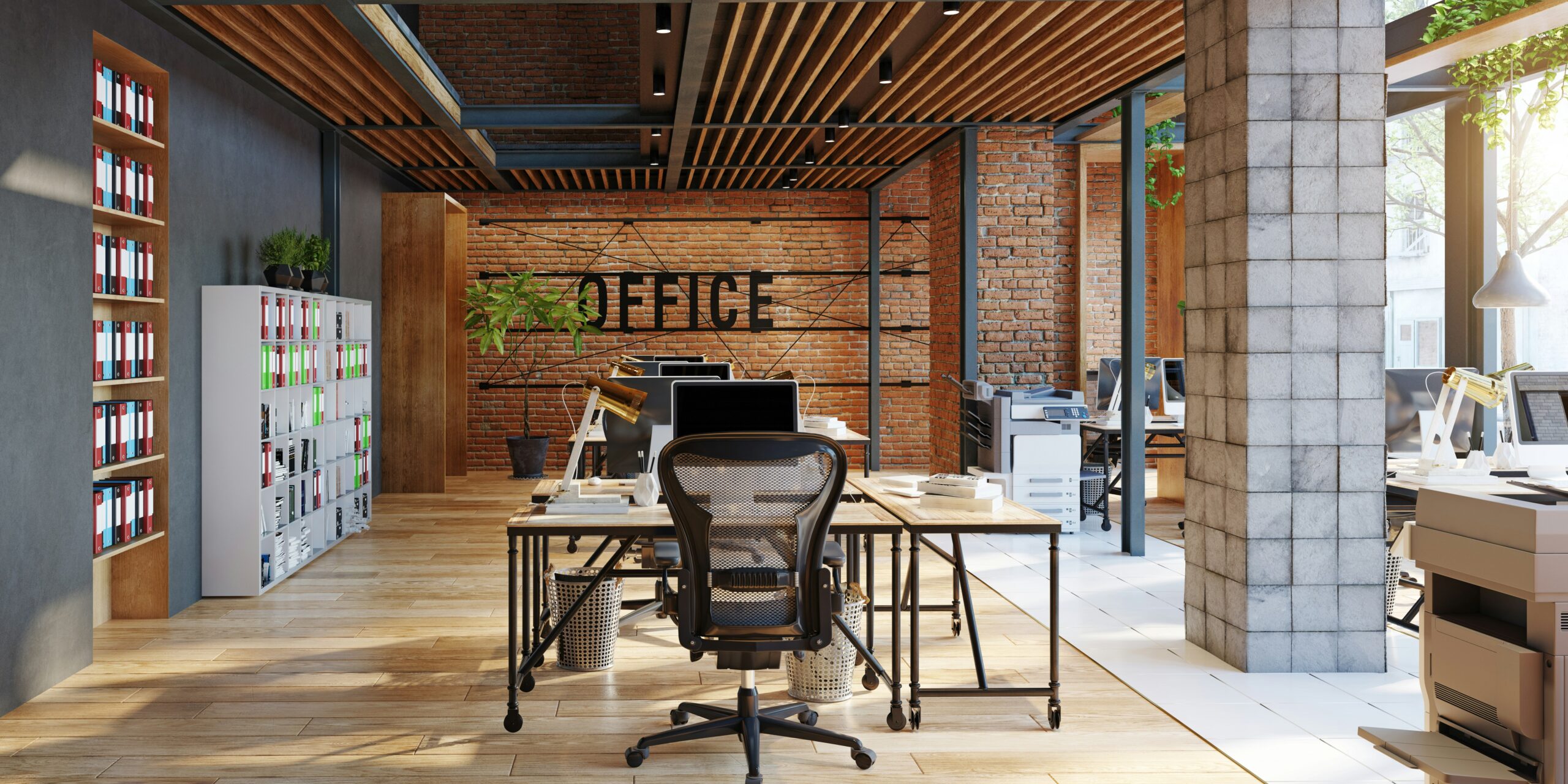
On January 6, 2026, new commercial real estate data confirmed a growing national trend: the transformation of aging, underutilized office buildings into much-needed housing. Washington, D.C., in particular, has emerged as a leading city in this adaptive reuse movement, with more than 6,500 residential units currently planned through office-to-residential conversion projects. The shift, spurred by a mix of economic necessity and policy innovation, is rapidly reshaping the real estate and urban development landscape in the nation’s capital.
The rise of hybrid and remote work models since the COVID-19 pandemic has left many central business districts with high office vacancy rates. In Washington, where federal offices and professional services firms once filled downtown towers, landlords are now facing long-term occupancy declines. In response, developers are increasingly turning to residential conversions as a way to reinvigorate stagnant properties and meet the growing demand for urban housing.
These conversions are more than a quick fix. They represent a major pivot in how cities like Washington think about space, infrastructure, and community life. Many of the buildings being repurposed were constructed in the mid-to-late 20th century, making them functionally obsolete for modern office use but structurally sound enough for residential redesign. Developers see this as an opportunity to revitalize downtown neighborhoods by transforming inactive commercial corridors into thriving, mixed-use communities.
One of the main drivers of this surge is the array of incentives offered by the District of Columbia government. In an effort to encourage adaptive reuse, city officials have introduced tax abatements, zoning flexibility, and fast-tracked permitting for qualifying projects. These policy tools have made office conversions more economically feasible, especially for buildings in the downtown core where high land values and construction costs would typically make new residential development prohibitive.
Washington’s Housing in Downtown program is one such initiative making a difference. It provides up to 20 years of property tax relief for eligible office-to-housing projects. This long-term financial support helps offset the high upfront costs associated with structural modifications, energy efficiency upgrades, and compliance with modern residential codes. As a result, more developers are willing to take on the challenges of conversion projects.
Another key factor in the growing number of conversions is the emergence of creative financing solutions. The use of C-PACE (Commercial Property Assessed Clean Energy) financing, for example, has allowed developers to fund sustainability improvements as part of their renovation budgets. These improvements—ranging from HVAC system overhauls to window replacements and LED lighting—enhance building performance while helping projects qualify for tax credits or energy-efficiency incentives.
Architecturally, converting office buildings to housing presents unique challenges. Many office buildings have deep floor plates and centralized cores that are not ideal for residential layouts, requiring substantial reconfiguration to ensure access to natural light, adequate ventilation, and livable unit designs. Still, architects and engineers are meeting these challenges with creative solutions, often integrating courtyards, atriums, and strategic cutouts into their designs to bring light and openness into previously closed-off spaces.
Beyond the numbers and floor plans, these conversions are beginning to alter the social dynamics of downtown Washington. As residential units come online, new residents are moving into areas that once emptied after business hours. This has the potential to reshape neighborhood rhythms, boost foot traffic for local businesses, and increase demand for services and amenities that support 24-hour urban living.
The economic impact is also significant. Real estate analysts suggest that adaptive reuse may be one of the most viable strategies for stabilizing struggling commercial markets and generating long-term value in central cities. Rather than waiting for office demand to recover, property owners are seizing the opportunity to reimagine their assets for a new era. This not only benefits developers but also addresses the pressing issue of housing availability in cities experiencing sustained population growth and affordability challenges.
Washington’s leadership in the office-to-residential conversion movement could serve as a model for other cities facing similar challenges. With thousands of office buildings across the country now sitting largely vacant, urban policymakers are watching closely to see how the District’s approach could be adapted elsewhere. If successful, these efforts could usher in a new era of urban planning that values flexibility, sustainability, and residential integration in formerly mono-functional office zones.
While obstacles remain—ranging from financial complexity to design limitations—the momentum behind these conversions appears strong. With continued support from public programs and private investors, Washington’s stockpile of outdated offices may soon become a wellspring of modern urban housing, setting a precedent for cities nationwide looking to adapt to a post-office real estate future.