
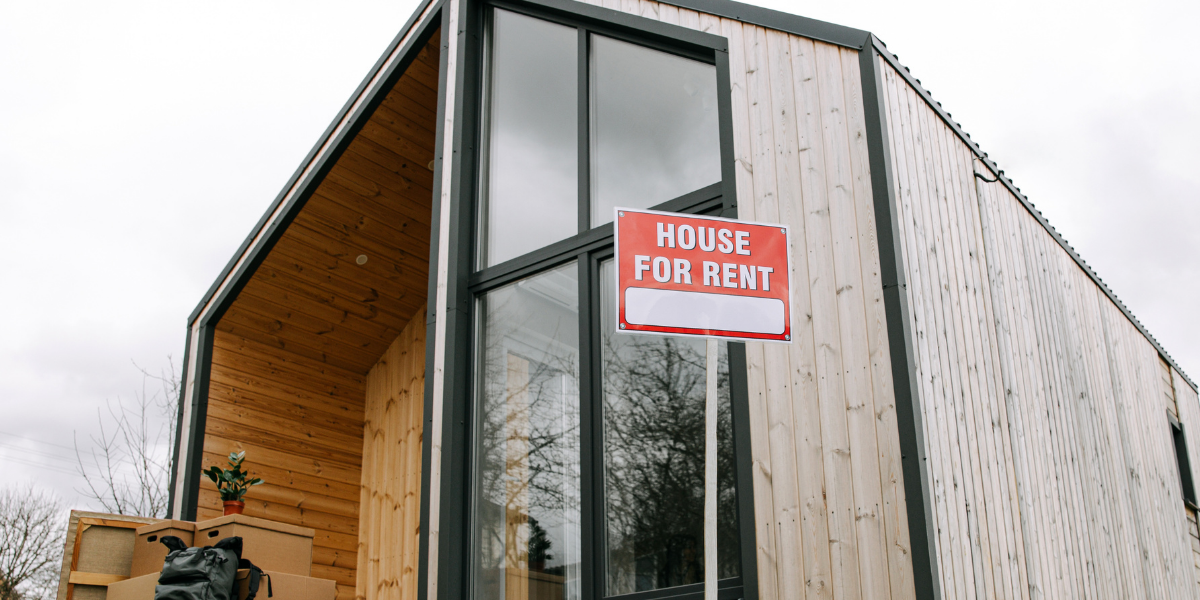
On February 14, 2026, economic data and industry reports painted a nuanced picture of the United States housing and rental markets, indicating early signs of cooling price pressures and evolving affordability dynamics, developments that could have broad implications for homebuyers, renters, investors, and real‑estate professionals alike. These changes come amid broader economic conditions that suggest inflationary pressures are moderating, even as structural challenges persist throughout the housing sector.
Rents Ease in Key Markets
One of the most notable developments reported today is that rents are declining or stabilizing in several U.S. cities after years of strong growth. National rent growth slowed to 2.8% between January 2025 and January 2026, the smallest year‑over‑year increase since 2021 and below pre‑pandemic norms. In cities like Austin, Texas, rents even experienced outright declines, down 6.3% year‑over‑year. Economists attribute this softening to a combination of cooling demand and slower inflation overall, offering some relief to renters, particularly those at higher income levels.
Despite this positive trend, housing affordability remains a significant issue. Many renters, especially in lower‑cost units, still face high costs relative to income, meaning the benefits of slowing rent increases are not equally distributed across the market.
Housing Market’s Broader Context
The easing of rent inflation aligns with recent economic indicators showing inflation moderation, where broader consumer prices have dipped to near five‑year lows, bolstered in part by cooling housing costs. A key inflation gauge, the Consumer Price Index, fell to 2.4% in January 2026, close to the Federal Reserve’s target. Analysts noted that slower rental cost growth and lower gas prices were major contributors to this decline.
In the context of the housing market’s 2026 outlook, leading industry voices have signaled a potential rebalancing, with signs of a rebound in real‑estate activity. The National Association of REALTORS® and data from housing economists project improved affordability and a possible uptick in home sales this year, reflecting a market gradually adjusting from tight supply and high cost pressures.
Forecasts from major research groups such as Zillow also predict a modest warming of the housing market in 2026, with more sales activity and moderate home‑price growth. Analysts expect home values to rise slightly, accompanied by gradual increases in market transactions, offering agents and investors new opportunities after years of constrained movement.
Persistent Challenges and Affordability Strains
Despite encouraging signs of cooling rents and potential market stabilization, affordability issues persist for many Americans. Ongoing high mortgage rates, still elevated compared with historic lows, continue to burden potential buyers and contribute to a phenomenon where existing homeowners hesitate to sell, as they hold onto lower‑rate mortgages secured during earlier periods. This “lock‑in” effect has restrained housing inventory, sustaining price pressures in certain markets.
Additionally, there are early indicators of financial stress for lower‑income homeowners. Although not strictly tied to today’s reports, other recent analyses have highlighted a rise in mortgage delinquencies among the lowest‑income households, which could foreshadow deeper systemic challenges if economic conditions worsen or job markets soften.
What Real‑Estate Professionals Should Watch
For real‑estate professionals and investors, today’s developments underscore several key trends worth monitoring:
- Cooling rent inflation may shift investor focus toward rental property yields and long‑term rental demand trends as markets rebalance.
- Affordability improvements, if sustained, could gradually expand the pool of potential homebuyers, especially first‑time buyers previously priced out of the market.
- Inventory dynamics remain crucial; with many homeowners reluctant to sell due to attractive historical mortgage rates, supply could remain constrained even as demand shifts.
- Persistent affordability gaps for lower‑income groups highlight the need for policy‑driven solutions and community‑focused housing strategies.
Key Takeaways
The events and data emerging on February 14, 2026, point to a housing and rental market in transition. Slowing rental growth and inflation could signal relief for some segments of the population, while broader economic forecasts suggest the market is finding a new equilibrium after years of pandemic‑era distortions. However, structural affordability challenges remain, requiring strategic planning and thoughtful responses from industry stakeholders.
As the real‑estate sector adapts to these evolving trends, agents, brokers, investors, and policy professionals will need to stay alert to shifts in pricing, buyer demand, and rental dynamics to navigate 2026 successfully.