
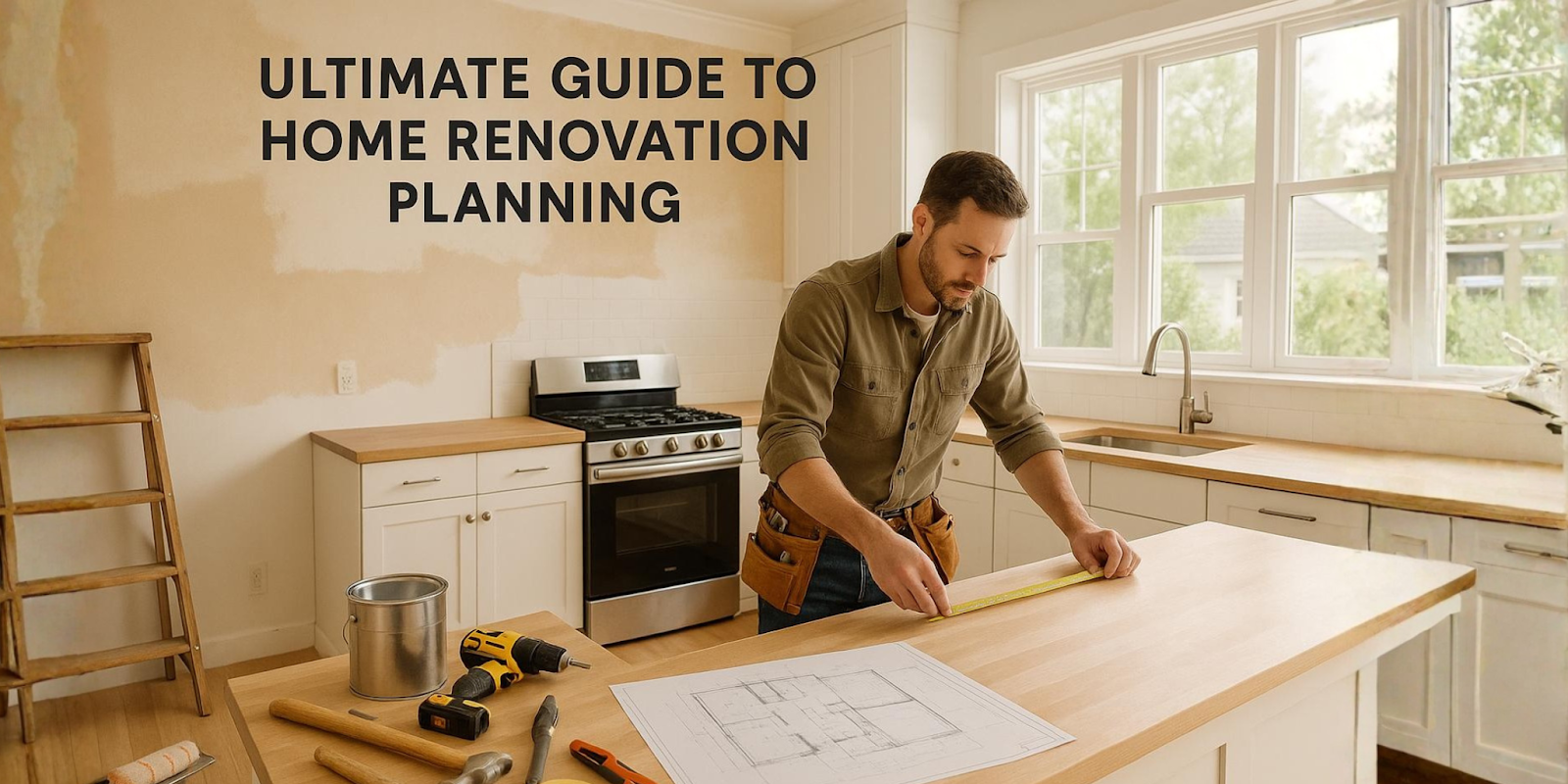
Planning a home renovation is confusing, especially if you are starting from scratch. There are many decisions to make, from setting a budget to choosing materials and hiring the right people. Without a clear plan, it’s easy to feel confused, stressed, or unsure where to begin.
A successful renovation is not just about making a home look better. It’s about creating a space that works for your daily life, feels comfortable, and fits your budget. Good planning helps you avoid costly mistakes, delays, and last-minute changes that can cause frustration.
This guide is designed to walk you through the renovation process step by step.
Step 1: Define Your Renovation Goals
Before doing anything else, you need to be clear about why you want to renovate. This step sets the direction for everything that comes next. Without clear goals, it’s easy to spend money on things you don’t really need.
Desmond Dorsey, Chief Marketing Officer at Bayside Home Improvement, shares, “Successful renovations start with purpose and planning. Understanding what you want to achieve — whether it’s increased comfort, updated functionality, or higher resale value — ensures every decision is strategic and cost-effective.”
Start by asking yourself a few simple questions. Are you renovating to get more space? To fix old or broken areas? To make your home more comfortable? Or to increase its value before selling? Your reason matters because it affects your choices.
Next, decide which areas of your home need work. It could be one room, like a kitchen or bathroom, or several areas at once. Write everything down. Then divide your list into two parts: things you must have and things you would like to have. This helps you stay focused when your budget gets tight, and ensures your renovation delivers both practical results and long-term value.
Step 2: Set a Realistic Budget
A budget is one of the most important parts of any renovation. It helps you understand what is possible and keeps your spending under control. Many problems happen when people start renovating without knowing how much they can truly spend.
Begin by deciding the maximum amount you are comfortable spending. Be honest with yourself. Then break that amount into smaller parts, such as labor, materials, permits, and furniture. This makes the budget easier to manage.
Always leave extra money for unexpected costs. During renovations, hidden problems like old wiring or water damage often come up. Setting aside extra funds helps you handle surprises without stress.
It’s also important to know where to spend and where to save. Some things, like electrical work or plumbing, are worth paying more for quality and safety. Other things, like paint or décor, can be updated later if needed.
In an interview, Savas Bozkurt, Owner of Royal Restoration DMV, said, A clear budget helps you make confident decisions and keeps your renovation from getting out of control.
Step 3: Research and Find Inspiration
Once you know your goals and budget, it’s time to gather ideas. This step helps you picture what you want your renovated space to look and feel like.
“Color, texture, and finishes are the foundation of any great renovation. Collecting ideas with an eye on how surfaces interact ensures your vision is both beautiful and practical, making it easier to bring your concept to life, shares Pat Eby, President & Founder of Brothers Colors Painting.
Look for inspiration in places you already visit, such as homes of friends, magazines, or online photos. Pay attention to layouts, colors, and materials that feel right to you. Save images you like, but don’t try to copy everything.
It’s easy to feel confused with too many ideas. Focus on what fits your lifestyle and your home. Trends come and go, but comfort, functionality, and thoughtful finishes matter most. Creating a simple idea board or digital folder can help organize your inspiration.
This doesn’t need to be fancy — just a collection of styles and features you like. Doing so will guide your choices later and help professionals understand your vision, ensuring your renovation reflects both style and practical expertise.
Step 4: Check Your Home’s Current Condition
Before planning changes, you need to understand what shape your home is in. This step helps you avoid surprises during the renovation and ensures your investment is well-placed.
According to Dan Close, Founder and CEO at We Buy Houses in Kentucky, “Evaluating a home thoroughly before making changes is essential. Understanding hidden issues, structural concerns, or areas that need updating helps homeowners make informed decisions and protects both comfort and resale value.”
Walk through your home and look closely. Check for cracks, leaks, old fixtures, and worn-out areas. Pay attention to plumbing, electrical systems, and walls. These things may not be visible at first, but they can significantly affect your renovation timeline and budget. Older homes often have hidden issues that need fixing before design changes. Addressing problems early prevents costly delays and ensures a smoother construction process.
In some cases, hiring a professional to inspect your home is a smart move. Licensed inspectors, contractors, or design professionals can spot issues that are easy to miss and provide guidance on repairs, replacements, or upgrades. Knowing exactly what you’re working with allows for more confident decisions when selecting materials, layouts, and finishes.
“Understanding the current condition of a space is as much about design as it is structure. Identifying problem areas and opportunities early allows a renovation to align with both aesthetics and functionality, ensuring the final space is cohesive, comfortable, and thoughtfully curated,” adds Marissa Burrett, Lead Design for DreamSofa.
By taking the time to inspect your home carefully, you not only prevent unexpected setbacks but also create a foundation for design choices that maximize both beauty and practicality. Early evaluation makes the renovation process more predictable, efficient, and ultimately more rewarding.
Step 5: Create a Clear Plan and Timeline
A renovation plan helps turn your ideas into action. It shows what will be done and when, making the process smoother and reducing costly mistakes.
“Renovations run most smoothly when every task and potential challenge is considered in advance. Planning the sequence of work, anticipating delays, and coordinating contractors can prevent unexpected setbacks and keep the project on track,” said Andrew Hampton, Owner of RoofCleanQuotes.co.uk.
Start by listing all renovation tasks in order. Some work must be done before others, such as electrical work before painting. A clear order saves time, prevents mistakes, and helps coordinate different trades or contractors.
Next, think about how long each step may take. Renovations often take longer than expected, so allow extra time. Be realistic and flexible, building in buffer periods to handle unexpected issues or delays.
If you plan to live in your home during renovation, consider how it will affect daily life. Temporary solutions for cooking, sleeping, or storage may be necessary, and a detailed plan helps maintain comfort while the work is underway.
Step 6: Hire the Right Professionals
Not all renovation work can be done alone. Hiring the right people makes a big difference in quality, safety, and long-term results. Decide which tasks you can handle yourself and which require trained experts. Electrical work, plumbing, and structural changes usually need licensed professionals.
Jason Lewis, Owner at Sell My House Fast Utah, mentions, “Experienced contractors and designers do more than complete tasks — they protect your investment. Choosing professionals with proven expertise ensures work is done correctly the first time and adds lasting value to your home.”
Take time to research contractors and designers. Check reviews, ask for references, and look at past projects. Don’t rush this step. Get multiple quotes and compare them carefully. The cheapest option is not always the best. Clear communication, reliability, and experience often matter more than price alone.
Hiring the right professionals gives you peace of mind, avoids costly mistakes, and ensures that your renovation delivers the quality and value you envisioned.
Step 7: Get Permits and Approvals
Many renovations require permits, especially for structural, electrical, or plumbing work. Skipping this step can lead to problems later, says Scott Mainzer, Owner of Mainzer Roofing.
Check local building rules to see what permits you need. Some projects require inspections before and after work is done. Permits may feel like extra work, but they protect you and your home. They ensure the work meets safety standards.
Often, contractors handle permits for you. Make sure this is clear before work starts. Getting proper approvals helps avoid fines, delays, and issues when selling your home in the future.
Renovating from scratch can be overwhelming, but breaking it down makes it easier. A solid plan keeps your budget in check, reduces stress, and helps avoid mistakes.
While every renovation is unique, the basics remain: clear goals, a realistic budget, research, and the right team. Understanding your home’s condition and following the right steps minimizes stress and costly errors.