
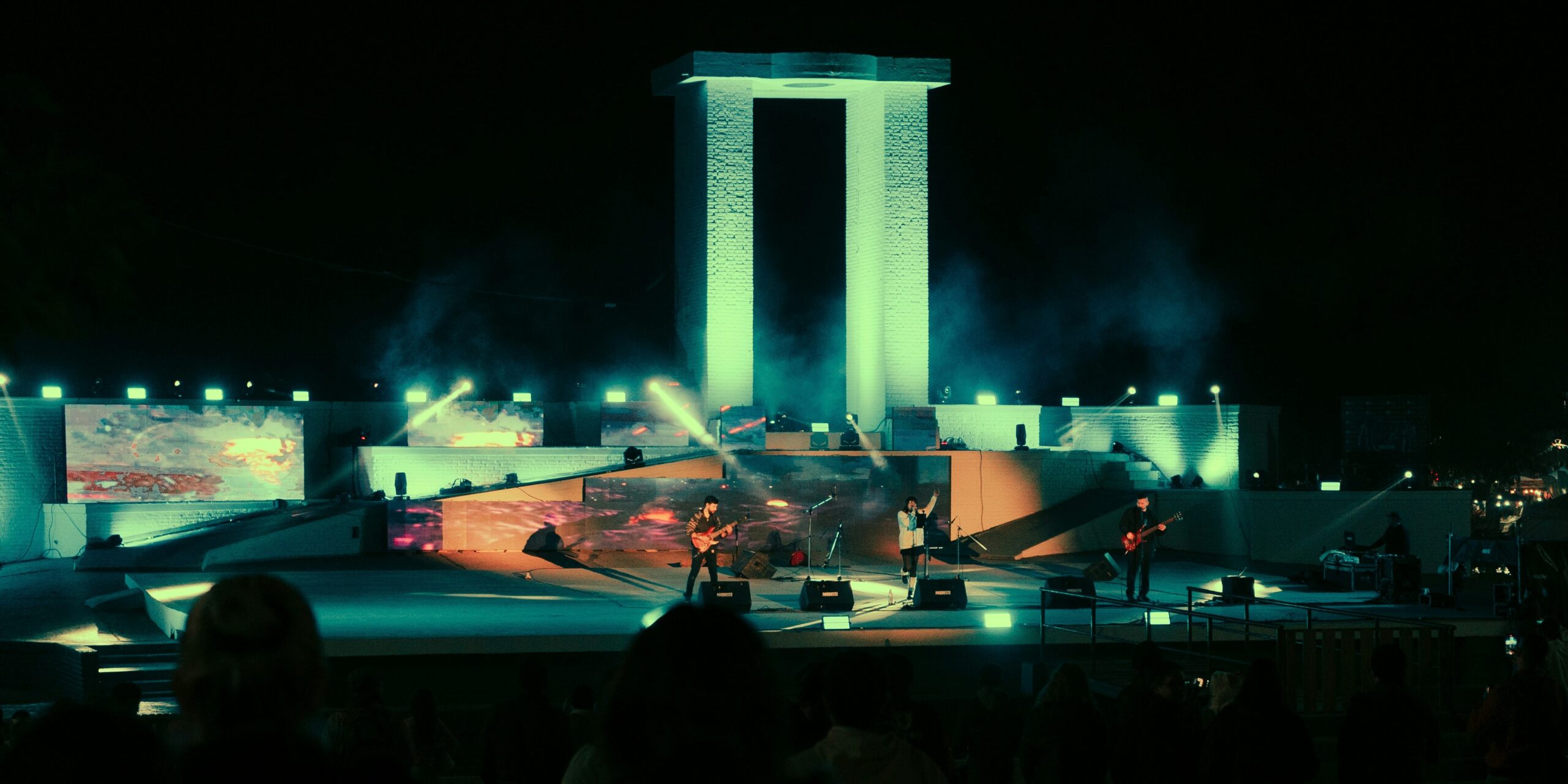
On the evening of October 5, 2025, the Smithsonian Chamber Music Society began its highly anticipated 49th season with a stunning performance at the Nicholas and Eugenia Taubman Hall of Music in Washington, D.C. The concert, held in one of the nation’s most celebrated cultural venues, marked the start of another exciting chapter for the society, known for its commitment to showcasing some of the finest classical music performances in the country.
The event featured a performance by The Smithsonian Consort of Viols, a group of virtuoso musicians specializing in early music. The ensemble’s program highlighted works by two key 17th-century composers—Alfonso Ferrabosco the Younger, an Italian composer who became prominent in England, and William Lawes, an English composer known for his contributions to both instrumental and vocal music. These composers are often overlooked in modern concert programs, making their works a rare and exquisite addition to the season’s lineup.
Ferrabosco, whose work bridged the late Renaissance and early Baroque periods, was known for his ability to blend Italian and English musical styles. His compositions are recognized for their intricate counterpoint and emotionally expressive qualities, characteristics that were beautifully brought to life by the Consort of Viols. Meanwhile, Lawes, often considered one of the finest English composers of the time, contributed significantly to the development of English instrumental music. His works, marked by bold harmonies and complex structures, further enriched the evening’s program.
Read Also: https://toplistings.com/52-atlantic-estate-europes-best-kept-secret/
The performance took place at the Nicholas and Eugenia Taubman Hall of Music, a revered venue that provides an intimate setting for classical performances. The hall is known for its exceptional acoustics, which allowed the rich sounds of the viols to resonate perfectly, creating an atmosphere that was both engaging and immersive. The space, part of the Smithsonian Institution’s cultural offerings, provided an ideal backdrop for the evening’s historical musical journey, ensuring that the audience experienced the music in a way that honored both its complexity and beauty.
The Smithsonian Chamber Music Society’s 49th season opener was not only a celebration of the composers and their works but also a reminder of the society’s dedication to preserving and sharing the history of classical music. By bringing attention to pieces that may not typically appear on modern concert programs, the society continues to offer its audiences a rare and enriching experience. The inclusion of works from the 17th century, a time of great innovation in the world of music, highlighted the depth and breadth of classical music’s historical legacy.
For those fortunate enough to attend, the evening was a reflection of the power of music to transcend time. The delicate harmonies of the viols, paired with the historical context of the compositions, created an evocative experience that allowed listeners to feel connected not just to the music, but to the era from which it emerged. As the musicians skillfully navigated the intricate passages of Ferrabosco and Lawes, it became clear that these pieces were not only important for their historical significance but also for their enduring emotional impact.
Looking ahead, the 49th season of the Smithsonian Chamber Music Society promises a continued exploration of classical music’s rich history. With performances planned throughout the season, the society aims to continue offering unique and diverse musical experiences that captivate both long-time aficionados and new listeners. The society’s commitment to offering high-quality, engaging performances ensures that it remains a cornerstone of the American cultural scene.
The success of the season opener has set a high bar for the upcoming performances, and with each concert, the Smithsonian Chamber Music Society invites its audience to embark on a musical journey through time. The season promises to be filled with new discoveries, rediscovered gems, and an ongoing celebration of the beauty of classical music in all its forms. Through these performances, the society not only entertains but also educates, inspiring future generations to appreciate the historical treasures of the musical world.