

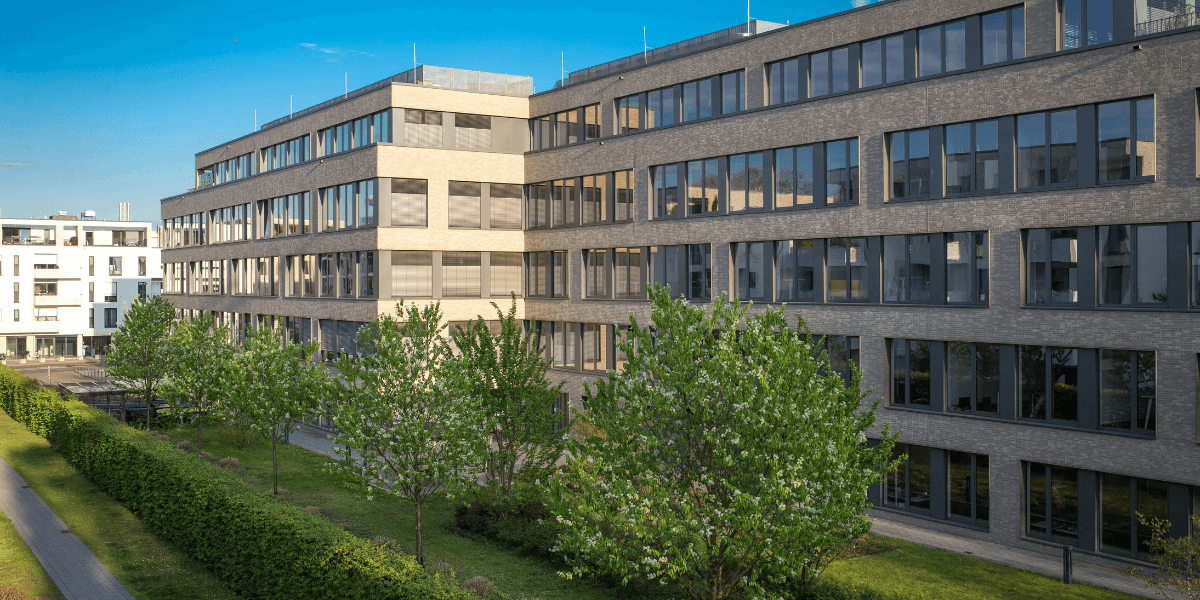
Commercial real estate developers across the United States are accelerating investments in smart building technology as property owners adapt to changing tenant expectations, rising operational costs, and growing demand for energy-efficient infrastructure. On May 19, 2026, several major property management firms and technology providers announced expanded partnerships aimed at modernizing office towers, apartment complexes, and mixed-use developments with advanced digital systems.
The growing shift toward “smart buildings” marks one of the most significant technology transformations currently affecting the real estate industry. Developers and property managers are increasingly integrating artificial intelligence, automation systems, energy management tools, and connected devices into both new construction projects and existing buildings.
Industry experts say the trend reflects broader changes in how tenants, businesses, and investors evaluate commercial and residential properties. Modern renters and office occupants are placing greater emphasis on convenience, sustainability, security, and digital connectivity when selecting properties.
Smart building systems typically include automated climate control, intelligent lighting systems, remote property management platforms, occupancy sensors, predictive maintenance tools, and advanced security technologies. Many properties are also incorporating mobile-based access systems that allow tenants to manage entry, package delivery, maintenance requests, and shared amenities through smartphone applications.
Real estate analysts say the adoption of these technologies has accelerated significantly over the past few years as property owners seek ways to improve operational efficiency while remaining competitive in a rapidly evolving market. Rising utility costs and increased focus on environmental sustainability have also encouraged developers to invest in energy-saving infrastructure.
Several large commercial property firms announced this week that they are expanding technology upgrades across office buildings in major cities including New York, Los Angeles, Dallas, Miami, and Chicago. Many of the projects involve retrofitting older buildings with modern digital systems designed to reduce energy consumption and improve tenant experiences.
According to property technology specialists, artificial intelligence is becoming increasingly important in building management operations. AI-powered systems can monitor energy usage, predict equipment maintenance needs, optimize heating and cooling performance, and analyze occupancy trends in real time. These capabilities may help reduce operating expenses while improving building reliability and tenant satisfaction.
The growing popularity of smart buildings is also influencing investment strategies throughout the commercial real estate industry. Institutional investors are increasingly prioritizing properties with advanced technology infrastructure, particularly as businesses continue reevaluating office space needs in the post-pandemic economy.
Commercial office markets remain in transition as companies adopt hybrid work models and place greater emphasis on flexible work environments. Real estate professionals say technology-enhanced buildings are often more attractive to tenants seeking modern amenities and adaptable office layouts.
In the residential sector, apartment developers are similarly investing in smart-home features to attract renters in competitive housing markets. Smart thermostats, digital entry systems, automated lighting controls, and package management technology are becoming increasingly common in newly constructed apartment communities.
Property managers say renters now expect many technology features that were previously considered luxury amenities. In some urban markets, digital leasing platforms, virtual tours, and app-based resident services have become standard components of the rental experience.
The expansion of smart building technology is also creating new opportunities for PropTech companies, businesses focused on property-related innovation. Technology firms specializing in building automation, real estate analytics, cybersecurity, and energy management continue attracting investment as demand for digital infrastructure grows throughout the industry.
Cybersecurity has emerged as a major consideration alongside the rise of connected building systems. As more properties rely on internet-connected devices and centralized digital platforms, building owners are investing heavily in network protection and data security measures. Industry experts warn that maintaining secure systems will become increasingly important as properties adopt more sophisticated automation technologies.
Environmental sustainability remains another major factor driving smart building adoption. Many developers are using technology systems to improve energy efficiency, reduce water usage, and meet increasingly strict environmental performance standards. Some cities and states have introduced building efficiency requirements aimed at lowering long-term carbon emissions from large commercial properties.
Real estate economists say technology integration may also influence property valuations over time. Buildings with modern digital infrastructure and energy-efficient systems may maintain stronger occupancy rates and higher long-term competitiveness compared to older properties lacking modernization upgrades.
The trend extends beyond large urban developments. Suburban office campuses, industrial properties, logistics centers, and multifamily housing communities are also adopting advanced building technologies as operational efficiency becomes a larger priority across the real estate sector.
Construction firms and developers are increasingly collaborating with technology providers earlier in the planning process to design buildings capable of supporting future digital infrastructure demands. Experts say the next generation of commercial properties will likely place even greater emphasis on automation, sustainability, and data-driven management systems.
For tenants and property owners alike, smart building technology offers both opportunities and challenges. While advanced systems may improve convenience and reduce operating costs, successful implementation often requires significant upfront investment, staff training, and ongoing system maintenance.
As the U.S. real estate market continues evolving, industry leaders believe smart building technology will play a central role in shaping the future of commercial and residential development. The rapid expansion of PropTech innovation highlights how technology is becoming deeply integrated into nearly every aspect of property management, construction, and tenant experience.
With more developers prioritizing efficiency, sustainability, and digital convenience, smart buildings are increasingly viewed not as a luxury feature, but as a long-term industry standard for modern real estate.

Top Listings Contributor
Covers market analysis and property technology, tracking where the data and the tools are pushing the industry next.
This article features partner, contributor, or branded content from a third party. Members of the Top Listings editorial staff were not involved in the creation of this content. All views and opinions are those of the contributor alone.


Related Posts