
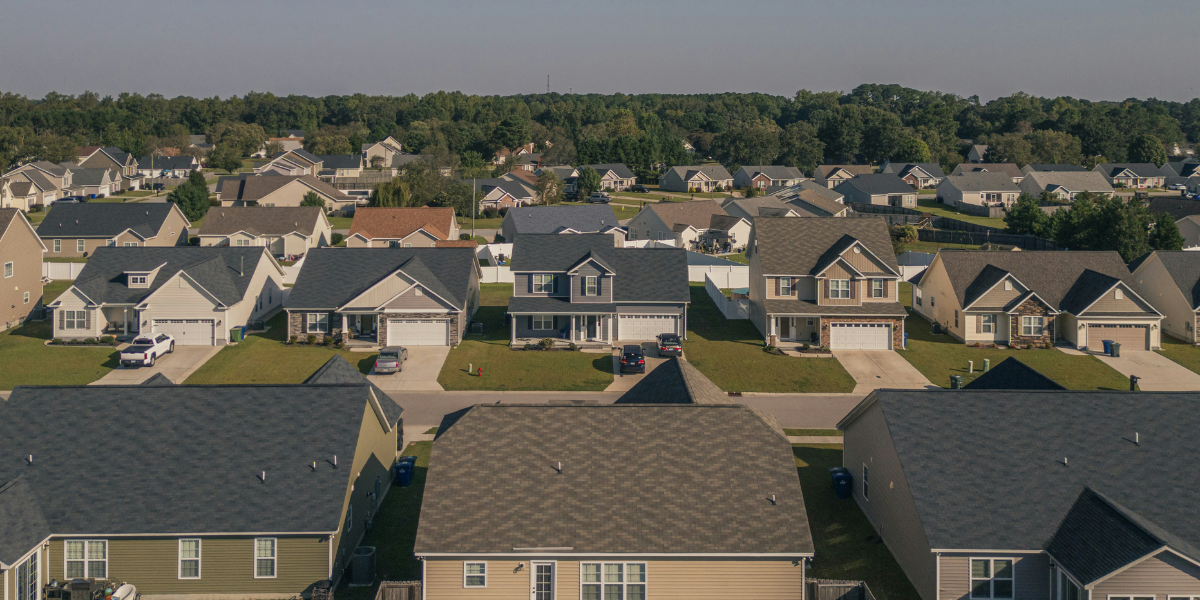
In recent years, the U.S. housing market has witnessed a shift that is reshaping its dynamics. As of early February 2026, a new report reveals that American homeowners are holding onto their properties longer than at any time in at least 25 years. This record-long homeownership tenure is having significant effects on the market, influencing everything from housing supply and demand to pricing trends and rental markets. As the U.S. grapples with a continued shortage of available properties, this new trend raises critical questions for buyers, sellers, and real-estate professionals.
The Longest Homeownership Tenure in Recent History
Homeownership tenure, the length of time an individual or family stays in their home before selling, has steadily increased since the early 2000s. However, the latest figures show that Americans are now holding onto their properties for an average of 13.5 years, the longest stretch in modern history. This marks a notable rise from just 6.5 years in the early 2000s and underscores a major shift in homeowner behavior. This trend is primarily driven by economic factors, changes in lifestyle preferences, and evolving housing market conditions.
Why Are Homeowners Staying Longer?
There are several key reasons why homeowners are staying put for longer periods:
1. Low Mortgage Rates from the Pandemic Era
One of the main drivers of the extended homeownership tenure is the low mortgage rates that were available during the COVID-19 pandemic. Many homeowners who secured mortgage rates as low as 2.5% or 3% are reluctant to sell and buy again at today’s higher interest rates, which are hovering around 6% or more. These historically low rates locked in affordable monthly payments, and for many, the idea of giving up those terms in a higher-rate environment is unappealing.
2. Limited Housing Inventory
Another significant factor is the persistent housing inventory shortage across many parts of the United States. According to the National Association of Realtors (NAR), the number of available homes for sale has remained below pre-pandemic levels. With fewer properties to choose from, homeowners are staying put because finding a suitable replacement is becoming increasingly difficult. This low inventory situation has pushed home prices higher, making it even more challenging for potential buyers to move up or relocate.
3. Economic and Demographic Shifts
Economic factors, such as increased housing prices and stagnating wage growth, have also made it harder for many Americans to upgrade to a larger home or relocate to a new area. In addition, demographic shifts, such as the aging Baby Boomer population, are contributing to longer stays. Older homeowners are opting to age in place, remodeling their homes to accommodate their needs instead of selling and downsizing. Meanwhile, younger buyers are facing mounting challenges related to affordability and student loan debt, making it harder for them to enter the housing market.
4. Pandemic-Induced Changes in Lifestyle Preferences
The COVID-19 pandemic reshaped many aspects of daily life, including how and where people work. With more people working remotely than ever before, homeowners no longer need to live near their offices, giving them greater flexibility to stay in their current homes. This shift has led to a rise in home renovations and expansions, as people are increasingly focused on making their current living spaces work for their long-term needs. For many, the idea of selling their home and moving to an unknown or less desirable location seems less appealing than staying and adjusting their living environment.
Impacts on the Housing Market
The increasing tenure length is having wide-ranging implications for the housing market:
1. Limited Housing Supply
A prolonged homeownership tenure directly contributes to the housing inventory shortage, which continues to be one of the most pressing challenges for the real estate market. With fewer homes available for sale, competition among buyers remains high, driving up home prices in many markets. The lack of supply means that new buyers often face bidding wars and struggle to find homes that meet their needs and budget.
2. Increased Pressure on the Rental Market
As more homeowners remain in their homes for longer periods, fewer properties are available for sale, and this dynamic puts added pressure on the rental market. With fewer homeowners selling their properties, the supply of available rental units is being squeezed. This has resulted in higher rents in many markets, further exacerbating affordability issues for renters. Many potential buyers, particularly younger generations, are increasingly turning to the rental market as a viable option, which only adds to the demand for rental properties.
3. Slower Home Sales
A decrease in turnover means fewer transactions in the housing market, leading to a slower rate of home sales overall. For real estate professionals, this could mean lower commission earnings and less overall market activity, especially in areas where inventory is particularly tight. However, for those who specialize in the luxury or specialty property markets, the ongoing supply shortage could create opportunities for high-end homes to sell quickly at a premium price.
4. Greater Focus on Home Renovations
As homeowners are staying longer, there is an increasing focus on renovation and remodeling projects. Many individuals are investing in upgrades that allow them to stay in their homes for longer periods, such as adding home offices, larger kitchens, or improved outdoor spaces. This trend is particularly significant for the home improvement industry, with remodeling companies seeing a boom in business.
What Does This Mean for Real Estate Professionals?
For real estate professionals, the trend of longer homeownership tenure presents both challenges and opportunities:
1. Adjusting to a Slow-Moving Market
With fewer properties for sale and longer turnover rates, agents may need to adapt their strategies. They might need to focus on attracting buyers who are ready to make the leap or tap into the growing demand for rental properties. Additionally, agents could benefit from partnering with remodeling and renovation specialists to offer services to clients who are choosing to stay in their homes longer.
2. Expanding Into Rental and Investment Properties
For those looking to diversify their portfolios, the increased demand for rental properties represents a growth opportunity. Investors and agents may want to focus on multifamily properties or other investment opportunities in markets with high rental demand. As more people stay in their homes longer, this segment of the market is expected to grow.
3. Capitalizing on Low-Inventory Markets
For real estate professionals in areas with low inventory, finding ways to expand listings, such as targeting new construction, relocation clients, or off-market properties, can create more opportunities to meet the growing demand for homes.
Conclusion
The record-long homeownership tenure in the U.S. is a significant development that will continue to shape the housing market for years to come. While this trend is challenging for buyers and real estate professionals, it also offers new opportunities in rental markets and home renovation services. As homeowners hold on to their properties for longer periods, understanding these shifts will be key to navigating the evolving landscape of the U.S. housing market in 2026.