
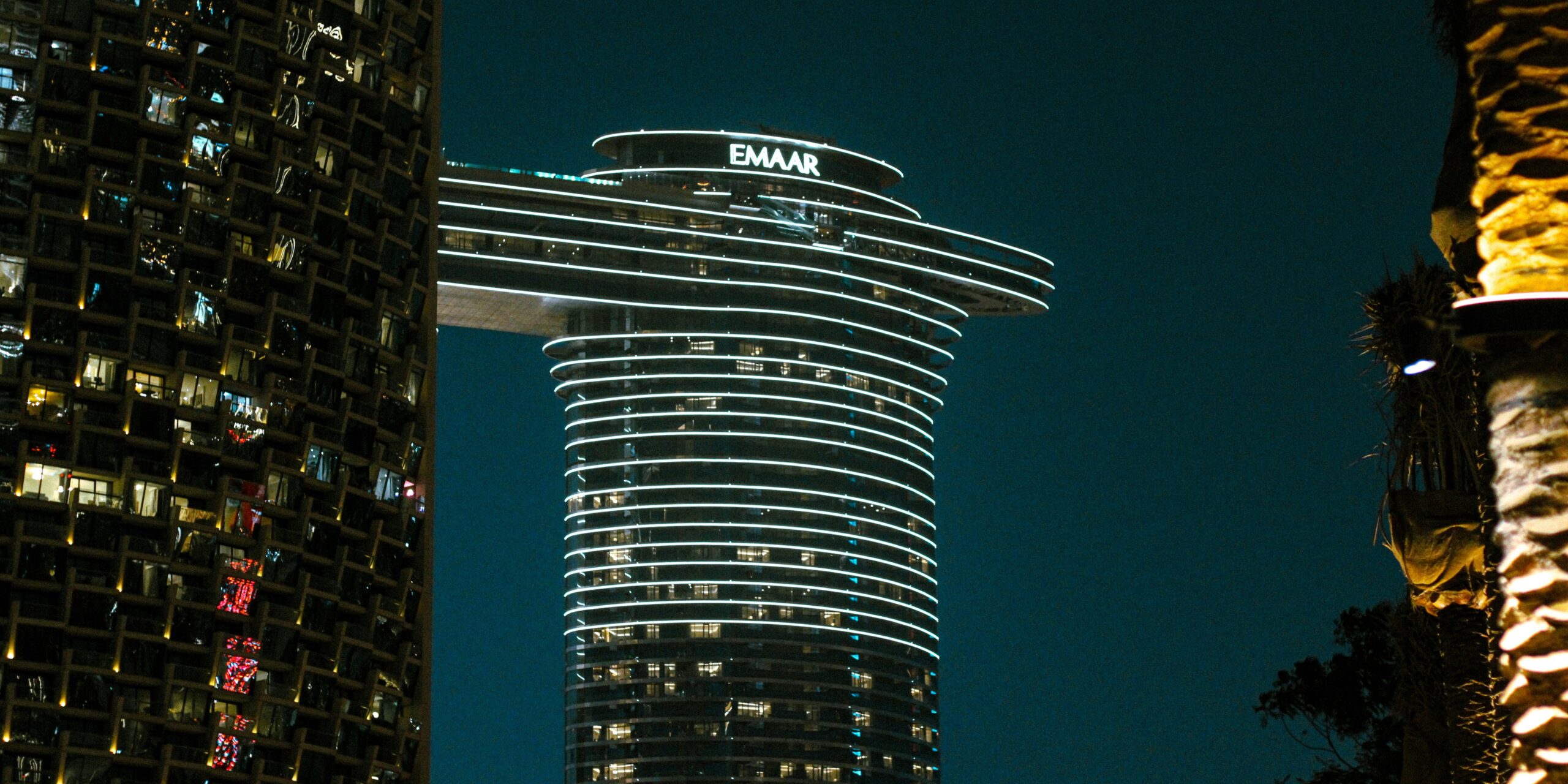
The U.S. hotel property sector is experiencing significant growth as developers respond to an increasing demand for hospitality space. In recent years, particularly in 2025, the hotel industry has seen a marked expansion, driven by a combination of shifting travel patterns, evolving consumer preferences, and the gradual return of both leisure and business travel. Connecticut, in particular, has become a prime example of this growth, with the state adding at least five new hotels in 2025, contributing nearly 800 new rooms to the local market. This expansion has helped Connecticut surpass neighboring markets in terms of total new hotel inventory over the past two years, signaling a broader trend of recovery and growth in the region.
The hotels that have opened in Connecticut reflect a diverse range of lodging trends, catering to various types of travelers and their unique preferences. Notable examples include the Great Wolf Lodge in Mashantucket, which offers a family-oriented resort experience, complete with activities and amenities designed for families with children. This type of resort is a direct response to the growing demand for family-focused vacation options, where parents and children alike can enjoy a range of activities from water parks to entertainment and dining. On the other end of the spectrum, the Boutique Delamar in Mystic caters to a more upscale, intimate clientele, offering a luxurious and personalized experience for guests seeking a quiet and refined retreat.
In addition to these more traditional lodging options, the recent hotel development surge in Connecticut also includes unique accommodations that cater to niche markets. For example, the rise of “glamping” cabins, a luxurious take on camping, has become a popular choice among travelers seeking outdoor experiences with a touch of comfort. These cabins provide a rustic, nature-filled experience, but with the modern comforts of a hotel, such as plush bedding, electricity, and hot water. This trend aligns with the growing desire among travelers to reconnect with nature while still enjoying the luxuries they expect from a typical hotel stay.
In contrast, extended-stay suites have become increasingly popular with business travelers, especially as remote work and longer trips have become more common. These accommodations are designed to offer a home-like atmosphere, complete with fully equipped kitchens, spacious living areas, and ample workspaces, making them ideal for professionals who may be on the road for extended periods. These types of hotels cater to corporate travelers who are looking for flexibility, comfort, and the ability to work remotely while traveling.
Looking ahead, the hotel development trend is expected to continue, with several significant projects slated for 2026. Among the upcoming developments are new Marriott and Hampton Inn properties planned for Bridgeport and North Haven, two key locations in Connecticut. These new hotels are a clear indication of sustained investor confidence in the hospitality sector, even as business travel levels remain below pre-pandemic benchmarks. Despite this slower recovery in business travel, the strong demand for both leisure and extended-stay accommodations suggests that the hospitality industry is adapting well to new travel dynamics, where longer stays and mixed-use travel experiences are becoming increasingly popular.
This continued growth in the U.S. hotel market reflects the resilience of the hospitality sector, which has been able to adapt to changing market conditions and evolving traveler preferences. With new hotel openings and a variety of projects in the pipeline, the U.S. hotel industry is positioning itself to meet the needs of a diverse range of guests. Whether catering to families on vacation, business travelers on extended assignments, or those seeking unique, experiential stays, the market for hotels is expanding, and developers are increasingly keen to meet this demand. As the hospitality industry moves further into 2026, the outlook remains positive, with the promise of more diverse offerings and innovative accommodations on the horizon.
In conclusion, the U.S. hotel sector is undergoing a period of dynamic growth, as evidenced by the recent expansion in Connecticut and the broader trends shaping the industry. From family-oriented resorts to boutique hotels and extended-stay options, the market is diversifying to cater to various types of travelers. With ongoing development projects and investor confidence remaining strong, the hotel sector is poised for continued success, offering exciting opportunities for both developers and travelers in the years ahead.