
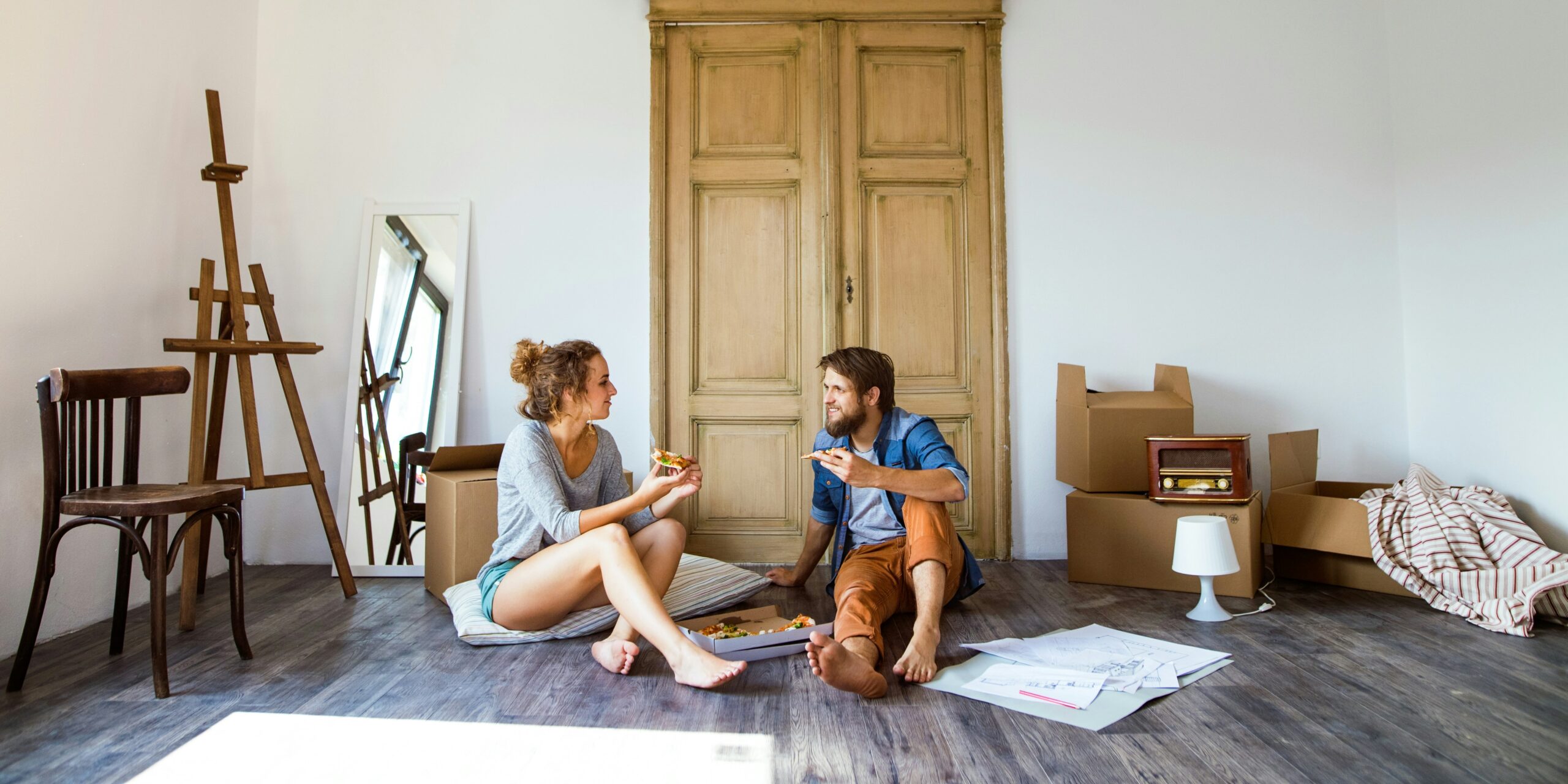
As homeowners move into the latter months of 2025, interior design and home-improvement trends reveal a growing desire to blend smart-home technology with comfort, sustainability, and timeless craftsmanship. This fusion reflects a shift towards spaces that are not only aesthetically pleasing but also functional, adaptable, and energy-efficient. Home-design commentary highlights that popular décor themes now emphasize earth-toned color palettes, layered textures, and the use of eco-friendly materials, signaling a return to nature and a commitment to sustainability.
These design choices are more than just trends; they reflect a broader shift in how homeowners are thinking about their living spaces. Increasingly, home-buyers and redecorators are prioritizing long-term value by integrating features that offer both convenience and environmental benefits. Programmable lighting, for example, is not only a way to save on energy costs but also a tool for enhancing the home’s smart capabilities. Climate-resilient materials, such as durable, weather-resistant finishes and sustainable building materials, are becoming staples in home construction and renovations. Furthermore, homeowners are designing spaces with adaptability in mind—rooms that can easily transform to meet the evolving needs of their families, whether that means creating home offices, multi-functional spaces, or rooms that accommodate changes in family size or lifestyle.
In this context, the demand for high-quality, versatile design solutions is being driven by several factors. The continuing challenge of limited housing supply, coupled with high home values, has encouraged homeowners to invest more in their current properties. This investment often takes the form of thoughtful home improvements that enhance both the aesthetics and functionality of their spaces. Homeowners are increasingly viewing their homes as long-term assets that should be both beautiful and efficient, supporting their families’ well-being while also contributing to sustainability.
For real-estate professionals, this shift in home design presents a new opportunity to market homes that align with these evolving trends. The message is clear: design is no longer just about making a space look good—it’s about creating a living environment that offers comfort, longevity, and smarter living. Homes that integrate smart technology, sustainable materials, and flexible design solutions are positioned to stand out in a competitive market. As more homeowners seek out spaces that reflect their values and lifestyles, embracing these design principles can offer a competitive edge for developers, designers, and realtors alike.
As 2025 unfolds, the integration of tech-enabled comfort with sustainable style will continue to shape the future of residential design, creating homes that are not only beautiful and functional but also aligned with the demands of a changing world. Whether renovating existing spaces or building new homes, homeowners are seeking ways to blend innovation with timeless appeal, resulting in designs that are both practical and stylish, and which contribute to a more sustainable future.