
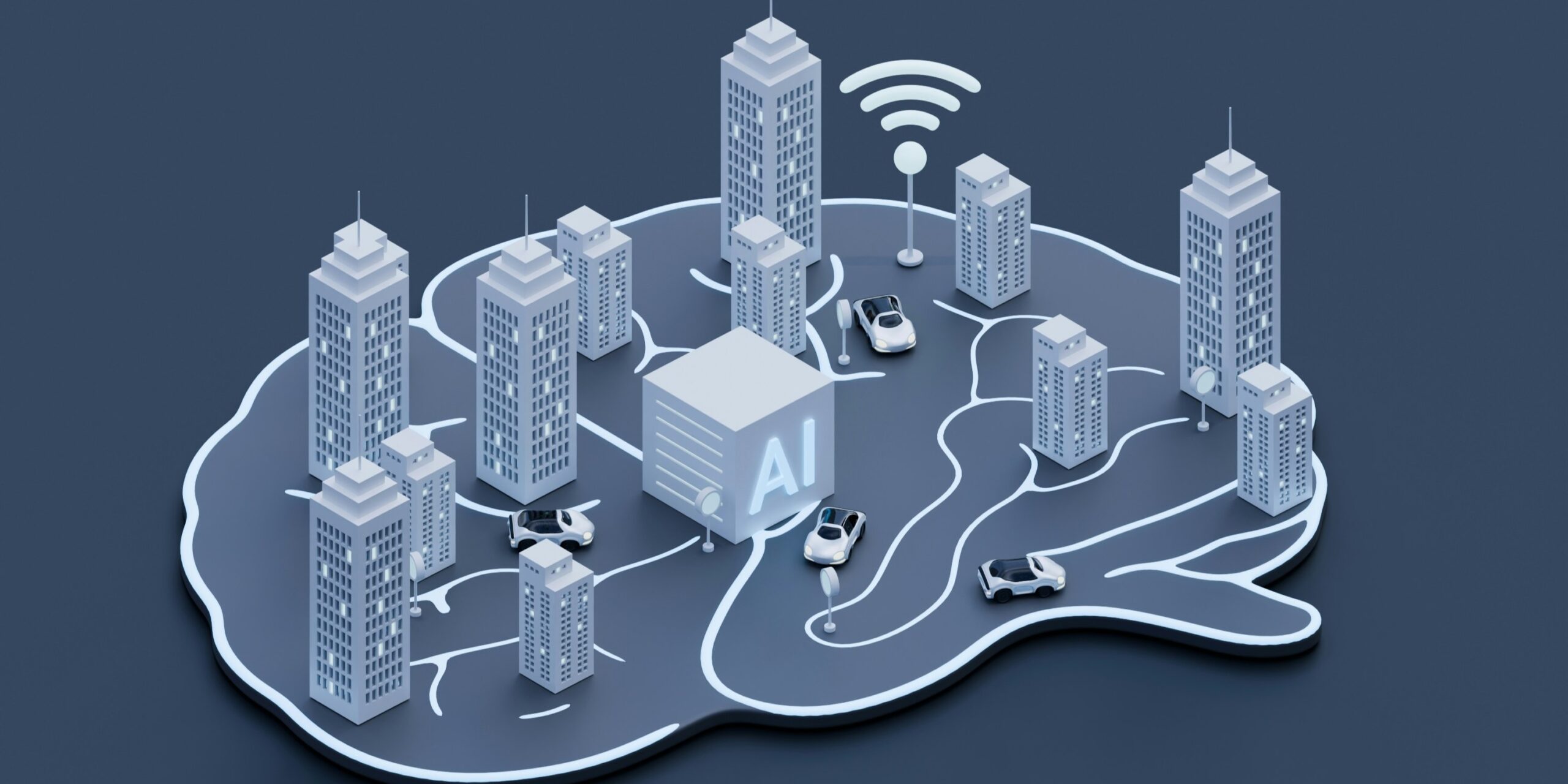
As we step into 2026, technology continues to profoundly shape various industries, and real estate is no exception. Over the next year, industry experts predict that artificial intelligence (AI) and digital platforms will transform how real estate professionals operate, impacting everything from property search and pricing to transaction management and client engagement. These technologies will work to streamline operations, enhance efficiency, and ultimately reshape the experience for both real estate agents and their clients.
One of the most significant ways AI is expected to influence real estate in 2026 is through its ability to assist agents and brokers in generating more precise property valuations and pricing insights. Traditionally, property pricing has relied on historical data and general market trends. However, AI is enabling more sophisticated pricing strategies by analyzing a much broader set of variables, including local market conditions, economic indicators, buyer behavior, and even social media trends. These insights will empower real estate professionals to make more accurate pricing recommendations, potentially reducing the uncertainty often associated with property valuations. With AI algorithms constantly updated with the latest data, the accuracy of these predictions will continue to improve over time, benefiting both sellers and buyers by giving them a clearer picture of the market. This dynamic ability to adjust prices in real-time helps both buyers and sellers make informed decisions that could lead to better deals and faster transactions.
In addition to refining pricing models, AI is also revolutionizing the property search process. Digital platforms, powered by AI, will help clients find properties that best match their preferences, needs, and financial situation. These platforms not only recommend listings based on past searches but also learn from the user’s interactions, continuously improving and offering more personalized results. This means that instead of sifting through hundreds of listings, prospective buyers will be able to quickly narrow down their options to homes that meet their specific criteria, such as location, price range, and amenities. AI tools will also assist in highlighting key tradeoffs between properties, such as price versus location, providing a more comprehensive view of what buyers are getting for their money. By presenting these tradeoffs in a clear, understandable manner, these platforms will help clients make more informed choices and ultimately enhance their home-search experience.
While AI enhances the property search and pricing processes, its role in automating routine tasks is equally transformative. Real estate professionals are expected to benefit from AI and digital tools that reduce administrative burdens. Tasks such as managing email correspondence, scheduling appointments, and generating property descriptions will be increasingly handled by intelligent systems, freeing agents and brokers to focus on higher-value activities like negotiating deals and building client relationships. With the rise of robotic process automation (RPA) tools, agents will spend less time on time-consuming, repetitive tasks, which can improve overall productivity. Furthermore, these AI-powered systems can help reduce human error, ensuring that documents are processed efficiently and correctly. With fewer administrative distractions, real estate professionals will have more time to engage with clients on a personal level, building stronger, more trust-based relationships.
Virtual and augmented reality technologies are also expected to play a significant role in transforming how buyers and sellers interact with properties. Virtual tours and 3D walkthroughs will become increasingly common, allowing prospective buyers to explore homes remotely, which is especially beneficial for out-of-town buyers or those unable to visit properties in person. These immersive experiences offer a level of detail that static photos cannot, enabling buyers to get a true sense of a property’s layout and features. Augmented reality (AR) will further enhance these experiences by enabling potential buyers to visualize changes to a property, such as new furniture or renovations, before making a purchase. For sellers, digital staging tools powered by AR allow them to showcase their homes in the best possible light, maximizing appeal without the cost of physical staging. As these tools become more advanced, they will likely become standard features for real estate listings, offering a more interactive and engaging experience for both buyers and sellers.
Despite the rise of AI and automation, human expertise remains indispensable, especially in negotiation and relationship management. While AI excels at crunching data and predicting market trends, real estate is ultimately a people-centric industry, where trust, communication, and personalized service matter most. AI and digital tools are designed to support agents and brokers, not replace them. The technology can handle administrative tasks and enhance decision-making, but the negotiation process, which requires empathy, understanding, and nuanced judgment, will always require human input. In many ways, AI will allow real estate professionals to provide a higher level of service by handling more of the back-office work, allowing them to focus on building personal connections with clients. As a result, agents will become more effective in serving their clients’ needs, negotiating better deals, and providing advice based on both their expertise and AI-driven insights.
Transaction management is another area where AI and digital platforms are expected to streamline operations. End-to-end real estate platforms are increasingly emerging that allow buyers, sellers, agents, and other stakeholders to interact in a seamless, all-in-one digital environment. These platforms are designed to simplify the entire transaction process, from initial property search to closing. By integrating secure document signing, transaction tracking, and automated compliance checks, digital platforms can ensure that the buying or selling process is faster, more transparent, and less prone to errors. The adoption of these platforms will likely lead to a smoother experience for both buyers and sellers, making the process of closing a deal faster and more predictable.
Looking ahead, the widespread adoption of these technologies will democratize access to advanced tools, making them available to even smaller, independent real estate agents and firms. This will help level the playing field, enabling smaller players to compete with larger firms that have traditionally had more resources to invest in cutting-edge technology. Additionally, as consumer expectations for digital-first experiences grow, real estate professionals who embrace these technologies will be better positioned to meet the evolving needs of today’s tech-savvy buyers and sellers.
The integration of AI and digital platforms into real estate reflects a broader trend toward more data-driven, efficient, and personalized service. As these technologies continue to advance, they will reshape how properties are marketed, sold, and managed, ultimately benefiting clients and agents alike. By streamlining workflows, enhancing decision-making, and improving the overall customer experience, AI and digital platforms are set to become essential tools in the real estate industry throughout 2026 and beyond. The key to success will be integrating these innovations with traditional human expertise to create a hybrid model that leverages the strengths of both technology and personal service. Real estate professionals who can harness the power of these technologies while maintaining strong relationships with their clients will be poised to thrive in an increasingly competitive and dynamic market.
Read Also: https://toplistings.com/ai-and-digital-platforms-driving-proptech-evolution-in-2026/